





Modern routines are built around screens, notifications, and the steady pull of online activity. Phones, laptops, and apps make everyday tasks easier, but they also make it tougher to disconnect when you need a break.
It’s no surprise many people look for guidance on how to set digital boundaries, especially when constant access begins to blur the line between personal time and online demands. Without some structure, your attention gets stretched, your schedule feels crowded, and your mental space becomes harder to protect.
Setting limits gives you the breathing room to focus, reset, and enjoy downtime without digital noise. That’s where digital boundaries come in. It helps you decide when technology supports your life and when it should pause.
What are digital boundaries?
Digital boundaries are the rules you set to control how and when technology fits into your day. They influence everything from the moments you choose to go online to the apps you allow during work hours. They also have an influence on how often you interact with notifications. Think of them as guardrails that prevent your time and attention from slipping into constant digital noise.
Setting these boundaries gives you a structure that cuts through distractions, limits screen time, and eases the mental clutter that builds up when everything demands a response. With clear rules (like keeping devices away during meals or using certain apps only at designated times), you can design a digital routine that supports your goals rather than disrupts them.
Why setting digital boundaries is essential today
Technology has made life faster and more convenient, but it also shapes habits that influence how well you focus, how you sleep, and how you relate to the people around you. When you set clear limits, you create a buffer between useful tools and patterns that drain your time and attention.
Distraction affects focus
Every ping, pop-up, and scrolling feed competes for your concentration. A single alert can break your flow and make it harder to regain momentum, especially when you’re trying to work through tasks that require full attention.
Setting digital boundaries helps cut the noise so your focus stays where it needs to be.
Constant availability increases stress
Being reachable all day turns communication into pressure. Late-night work messages or social updates pull your mind back into activity when you should be unwinding.
Setting boundaries around when you check or respond gives you the mental break needed to reset, so you return to your day with more clarity and less tension.
Screen time disrupts sleep quality
Bright screens and endless content make it tempting to stay awake longer than planned. When your brain stays stimulated late into the evening, falling asleep becomes harder and staying asleep becomes inconsistent.
One study found that people who spent more time on their devices reported noticeably poorer sleep quality. The interesting part? Those with heavier mobile phone use slipped into their sleep stages much faster than low-use participants, a pattern linked to disrupted or fragmented rest rather than healthy sleep cycles.
Limiting screen use before bed supports a calmer transition into sleep and helps you wake up with better energy.
Relationships need uninterrupted time
Moments with family or friends lose depth when attention is split between a screen and a conversation. It’s easy to miss cues, tone, or emotional shifts when you’re only half-present.
Setting phone-free times during meals, conversations, or shared routines encourages connection and keeps relationships from drifting due to small daily distractions.
Productivity suffers when priorities are unclear
If your day is shaped by notifications, your priorities quickly get buried under digital noise. Instead of moving through important tasks, you drift toward whatever your device decides to show you next.
Boundaries help you stay aligned with what needs attention by creating predictable periods of uninterrupted work.
Mental clarity improves with reduced overload
A constant stream of updates, opinions, and information can make your mind feel crowded. When everything demands a reaction, there’s little space left to think clearly.
Scaling back your digital intake gives your thoughts room to settle and allows you to process what truly matters without the weight of excess input.
Why do we struggle to set them
Even when we know what healthy limits look like, sticking to them is far more complicated. The pull of digital life comes from pressure, habit, and emotion, and each one makes those boundaries slip quicker than we expect.
FOMO
Fear of missing out has a powerful grip. There’s a constant feeling that something important might happen if you’re not checking in.
A message from a friend, a trending topic, a work update, even a sudden opportunity. That worry pushes people to monitor their phones throughout the day, including the moments when they want to unplug.
Work pressure
The modern workplace adds its own weight. Rapid replies have become the default expectation, and remote work has blurred the dividing line between the job and everything else.
Messages don’t pause after office hours. Neither do project updates or group chats. Before long, a quick check turns into an ongoing sense that you need to stay reachable, no matter the time.
Social norms
Cultural expectations make it even harder. Being constantly available is often seen as normal, and slow replies are sometimes viewed as dismissive.
People feel judged when they take longer breaks from their screens. So even when someone wants firmer boundaries, they hesitate because stepping back feels out of sync with how everyone around them behaves online.
Habit loops
Digital platforms also shape behavior in quiet, persistent ways. Notifications pull attention instantly. Auto-play features keep content rolling. Algorithmic feeds offer an endless supply of updates. Over time, this builds a routine you follow without thinking.
The phone becomes something you reach for automatically, which makes changing those patterns a real challenge without deliberate effort.
Emotional escape
Screens can also feel like relief. Whenever stress builds, boredom hits, or uncomfortable thoughts show up, it’s easy to retreat into a device.
The distraction works in the moment, which reinforces the cycle, but it gradually becomes the default response to difficult feelings. That reliance makes it much harder to step back, even when the habit starts affecting long-term wellbeing.
These factors work together, creating a mix of pressure, routine, and emotional pull. That combination is why digital boundaries are often harder to keep than they look on paper.
How to set digital boundaries effectively with BlockSite tools
BlockSite gives you a simple way to bring order to your digital habits. Instead of trying to rely on willpower every time a distraction appears, it creates a structure that supports the digital boundaries you want to follow each day. Its features work together to limit interruptions, guide healthier routines, and keep you focused when it matters.
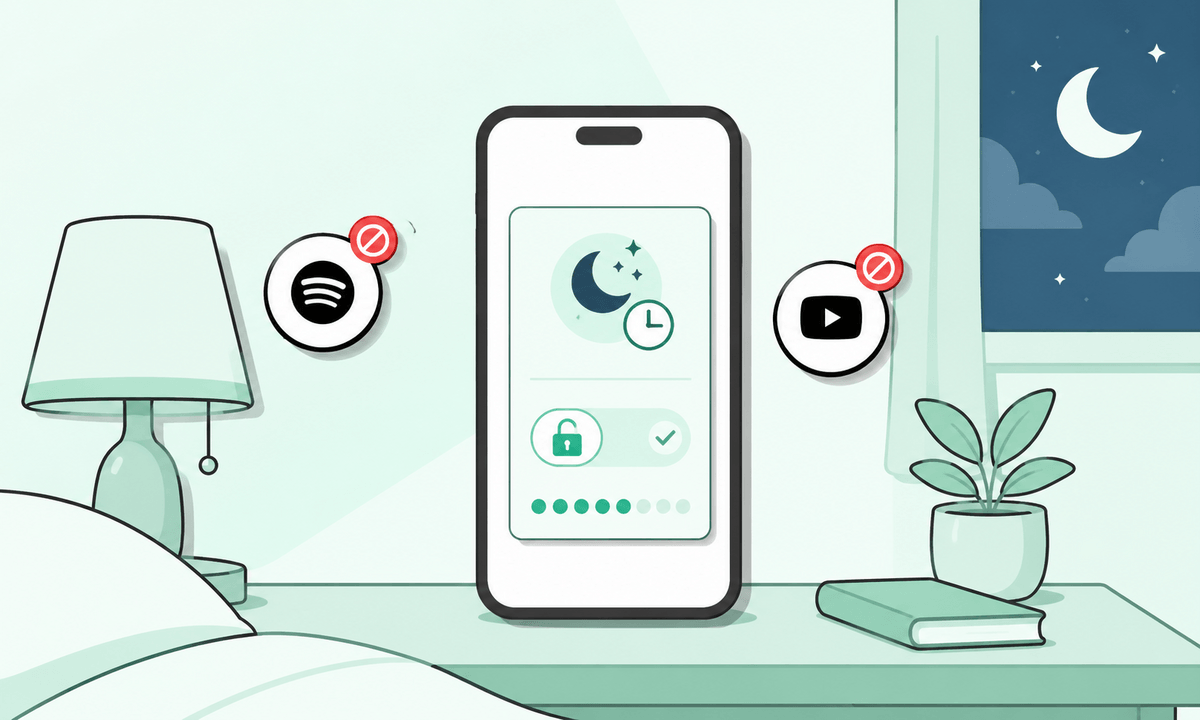
Blocking apps (mobile app only)
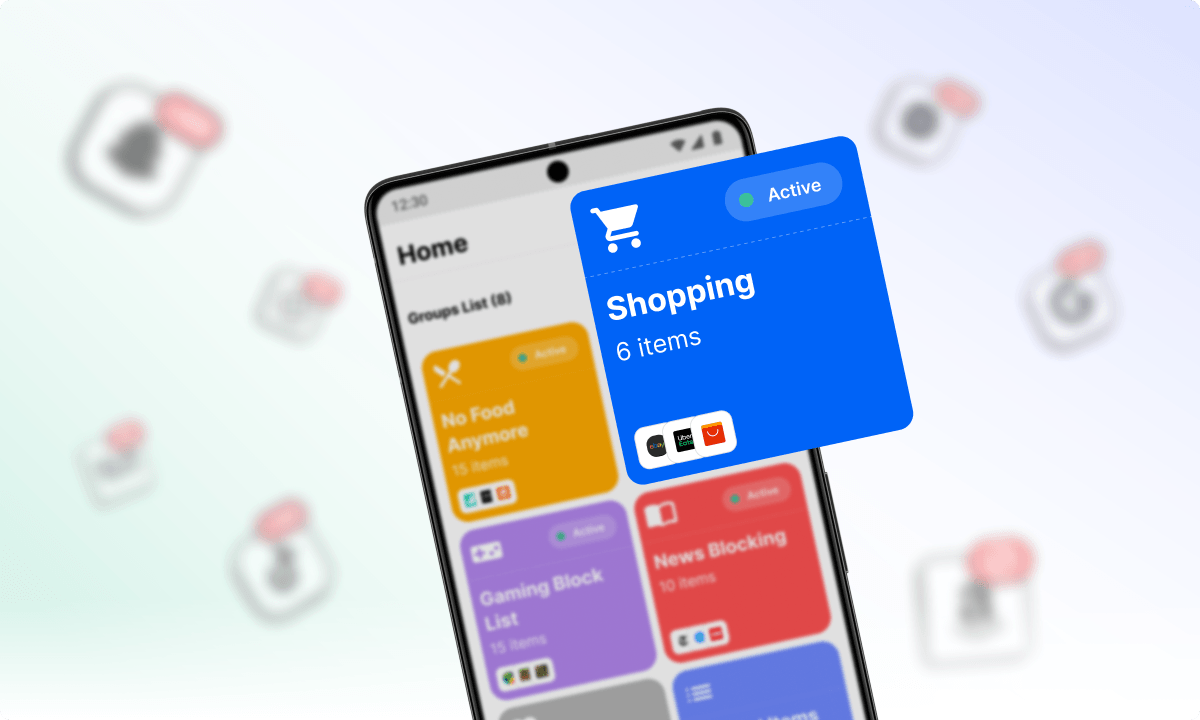
On mobile, you can block any app that tends to pull you off track. Games, social apps, messaging platforms… they all fall under the same rule.
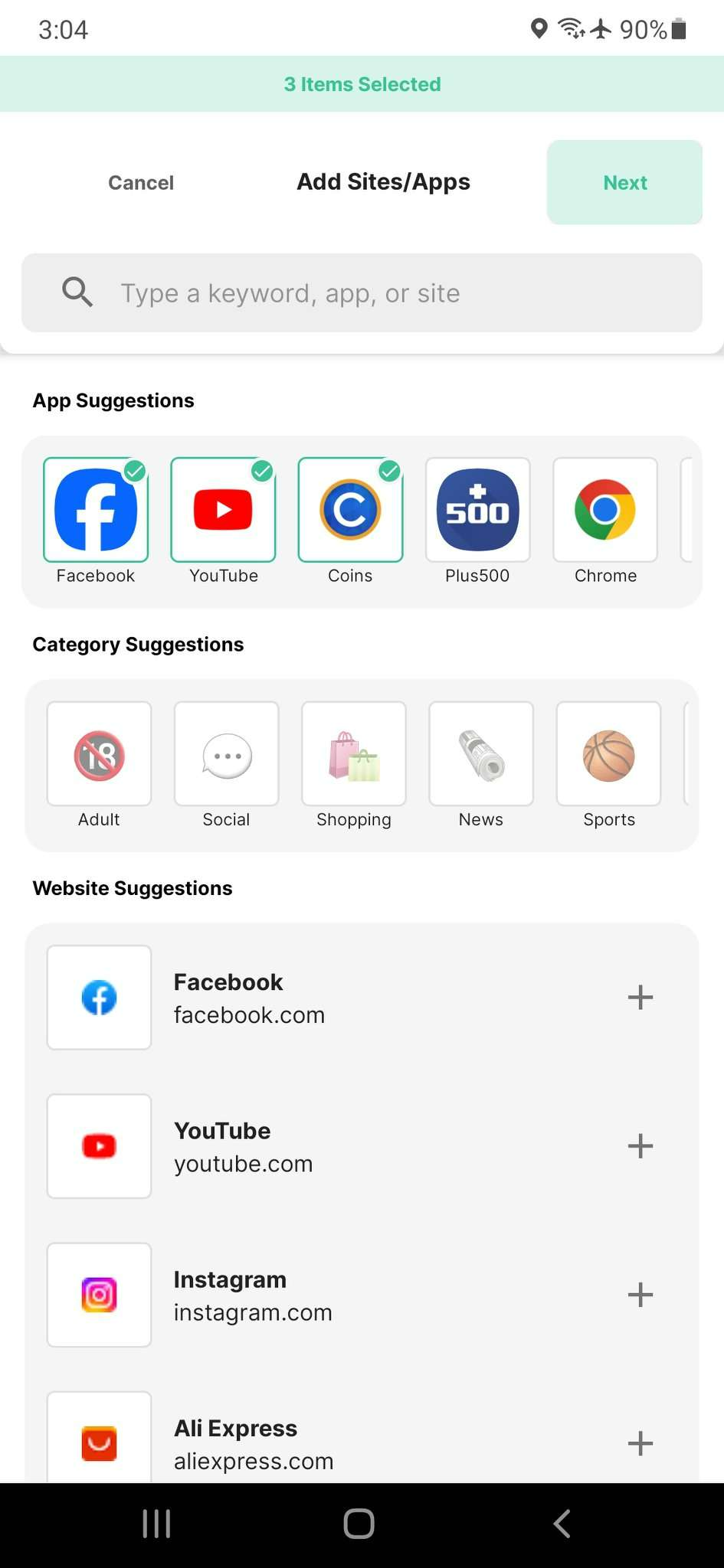
Once you add them to your block list, they stay out of reach until you remove them. This makes it easier to settle into uninterrupted work, enjoy a quiet evening, or keep your downtime free from constant alerts.
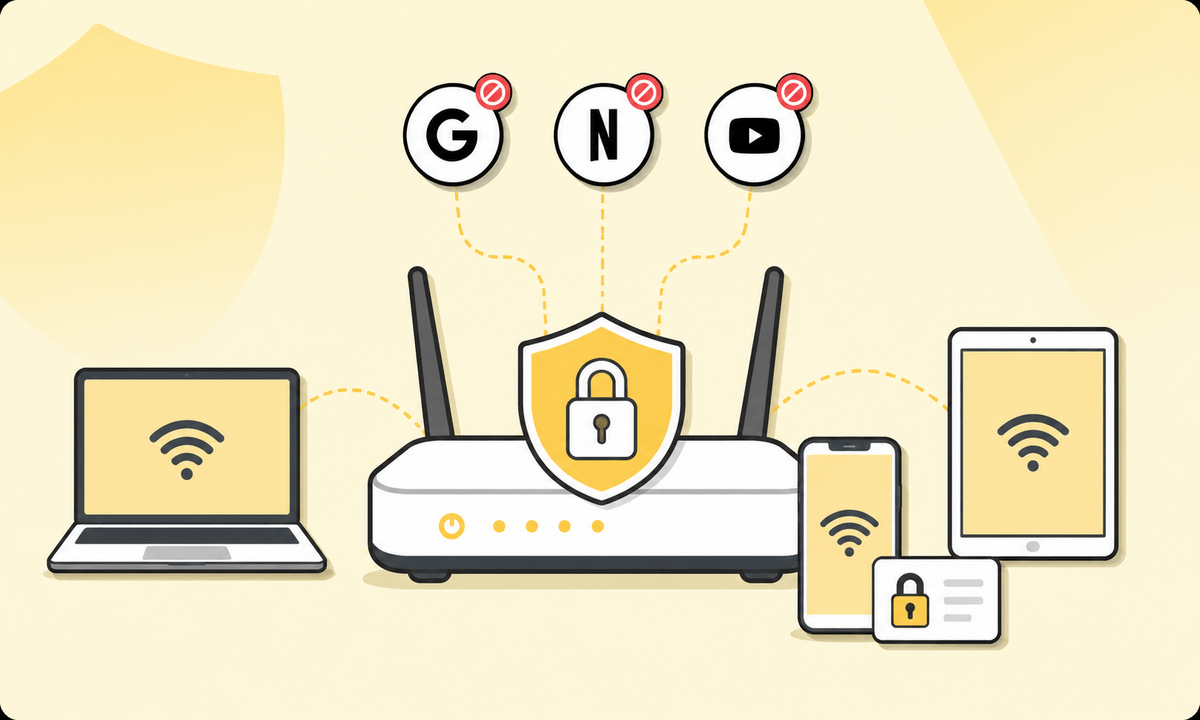
Blocking sites
BlockSite also lets you cut off websites that tend to eat into your time. Maybe it’s social feeds, online shopping, or news sites that draw you in. Add them to your list and they stay blocked in your browser.
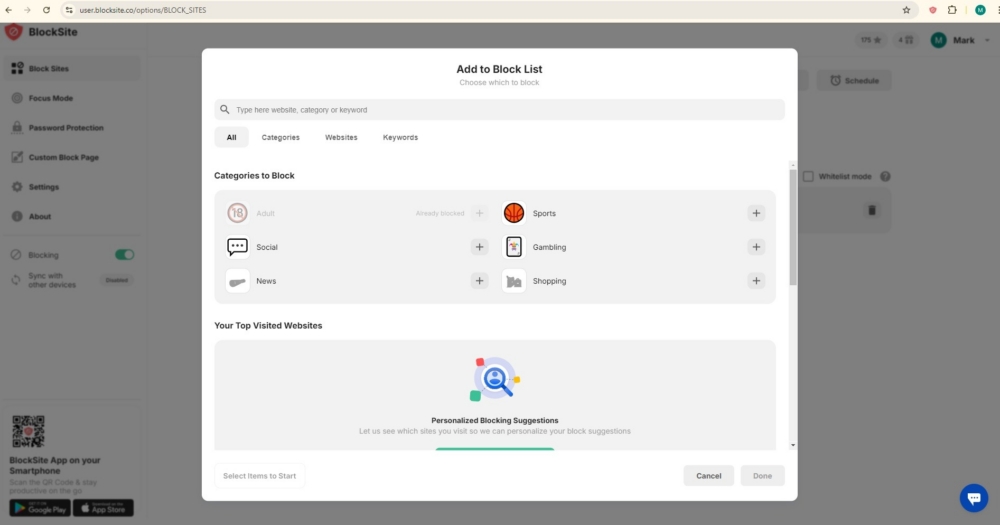
You can update the list whenever your needs change, which keeps your setup flexible while still giving you clear boundaries.
Blocking schedule
Schedules help you shape your day. You decide the hours when certain sites or apps should stay blocked, and BlockSite handles the rest.
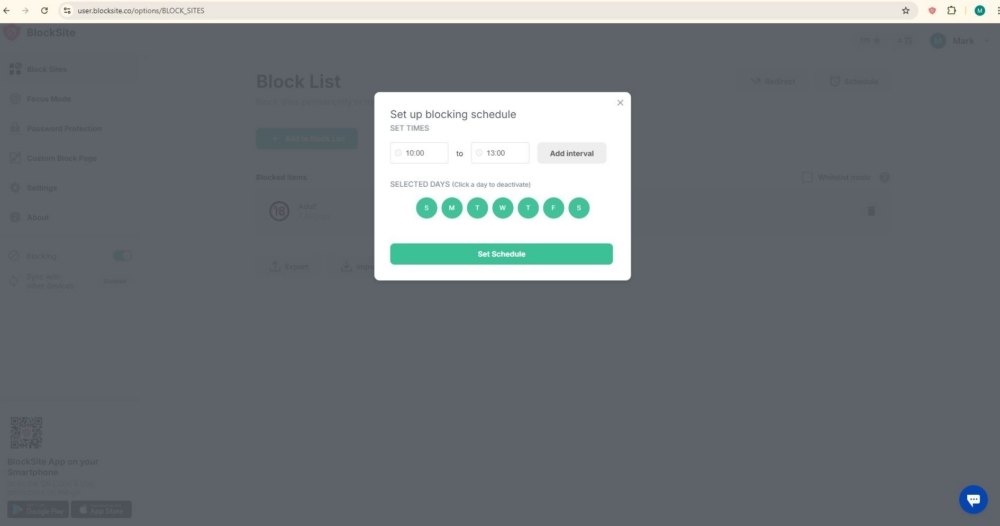
Morning focus, evening wind-downs, deep work hours… it all becomes easier when you remove the option to check something “just for a minute.”
Focus Mode
Focus Mode creates timed sessions where distractions disappear until the clock runs out. Choose how long you want to work, start the session, and everything unrelated to your task fades into the background.
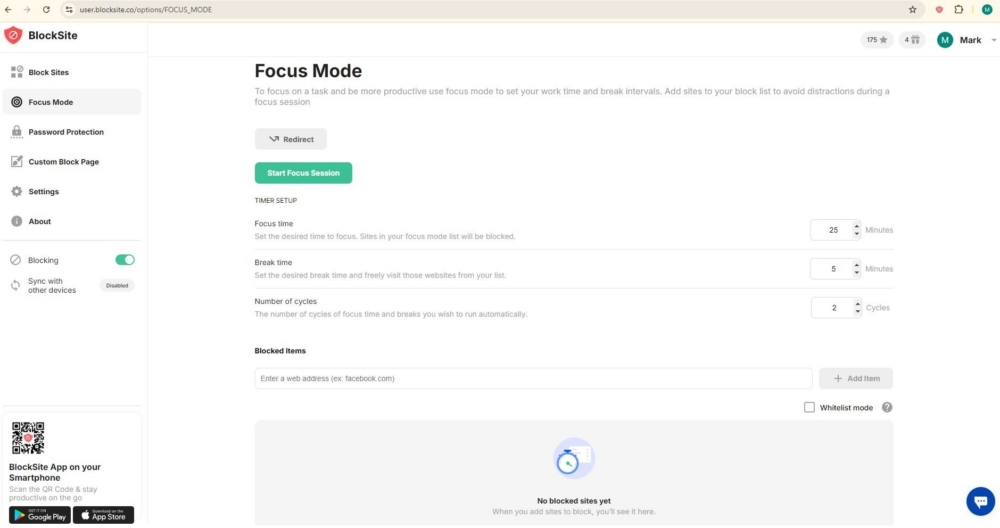
This builds rhythm, supports steady concentration, and gives you a reliable way to get through demanding tasks without slipping back into old habits.
[Start setting stronger digital limits by installing BlockSite now]
Guess what? You can building a sustainable relationship with technology
Staying productive gets a lot easier when your habits work with you instead of pulling you off course. That’s where clear limits come in. They help you protect your attention, cut down on needless stress, and move through your day with a bit more control. Once you know which parts of your routine need tightening, digital boundaries become a simpler way to bring some order back into your schedule. It creates space to rest, so you can spend time with people who matter and finish the tasks you keep putting off because your phone won’t stop buzzing.
The good news is that sticking to those limits doesn’t have to feel like a constant battle. BlockSite gives you what you need to support the boundaries you set. Whether you want to block distracting sites, limit your time on social media, build custom schedules, pause or block apps, or use timed focus sessions, you can do it from this tool.
[Create clear digital limits by activating BlockSite’s blocking tools]
FAQs
What are digital boundaries?
Digital boundaries set the rules for when, where, and how you interact with your devices. They protect your time and attention by defining what’s off-limits, like keeping phones out of the bedroom or stopping work messages after a set hour. These limits create healthier patterns in your daily routine.
How do I know if I need digital boundaries?
If being offline makes you uneasy, you refresh apps without thinking, or you can’t disconnect from work even after hours, you’re likely missing firm digital limits. These habits show that technology is driving your day instead of supporting it, and it’s a sign your boundaries need tightening.
What are some examples of digital boundaries?
Simple rules help alter your routine: no phone at meals or in the bedroom, notifications muted during deep work, social media capped at short daily sessions, screen-free indoor activities on your calendar, and digital blockers running after work. These basic steps give structure and reduce digital noise.
Are digital boundaries realistic long-term?
Yes. When you think of them as acts of self-care rather than strict restrictions, they become easier to maintain. Build them gradually, use automation where possible, and notice the benefits as they accumulate. Over time, these habits settle into a steady and supportive digital rhythm.
How can I set digital boundaries at work?
Start by defining when you’re reachable and when you’re not, such as no messages after a certain hour or protected focus blocks during the day. Communicate these expectations clearly to your team. BlockSite can reinforce these limits by shutting off email, chat, or distracting tabs.
What are common mistakes when setting digital boundaries?
People often overhaul everything at once, set rules they can’t realistically follow, forget to tell others what they’re changing, or never revisit those limits as workloads change. Digital boundaries work best when they’re practical, communicated clearly, and reviewed regularly so they adapt with your needs.
[Strengthen your digital boundaries by using BlockSite every day]


 Take back your focus