

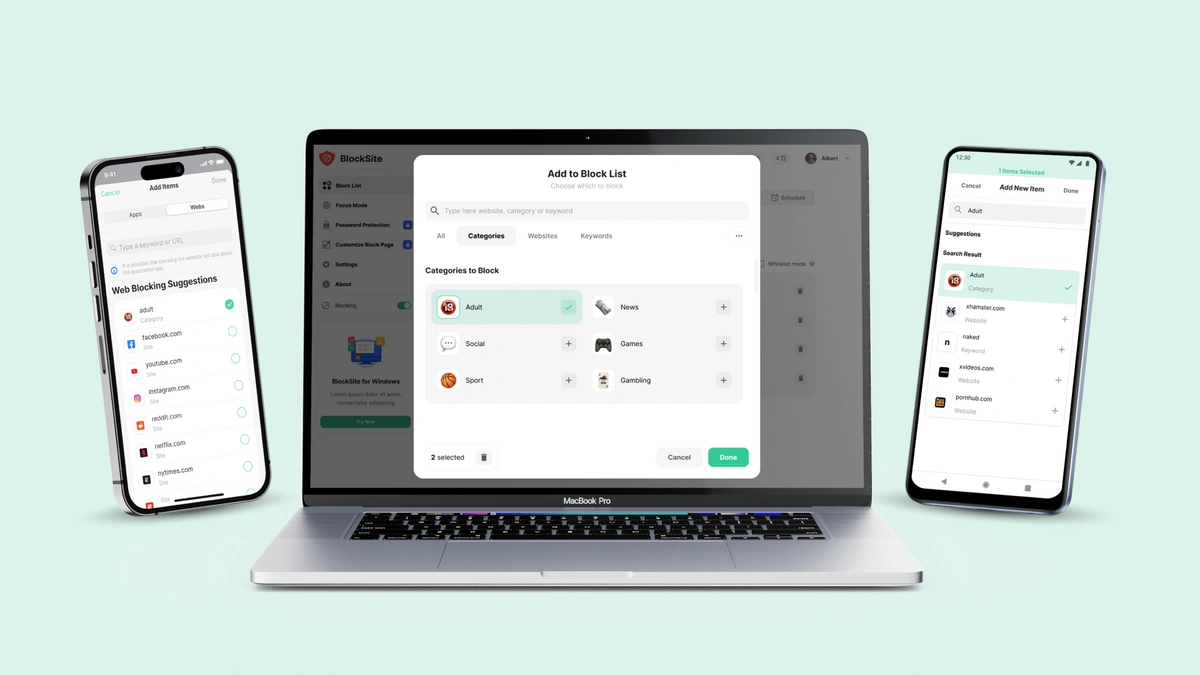
If you keep watching adult movies even when you do not want to, the problem usually is not lack of willpower. It is a repeatable habit loop: a trigger, a quick escape, then guilt, then the next trigger. The goal is to break that loop with a mix of environment changes, simple boundaries, and support, so you are not relying on motivation at the exact moment cravings show up.
Adult content is also unusually easy to access, private, and instantly rewarding. That combination is why many people look for help once it starts affecting sleep, focus, relationships, or self respect.
Signs of an adult movie addiction
These are the primary signs that casual viewing has changed into something that is pulling your behavior, instead of you choosing it.
1. Loss of control over viewing habits
You set a rule, then break it. You plan to stop after a few minutes, then keep going. You uninstall or disable blockers in the moment. The pattern is the signal: repeated “I will stop tomorrow” followed by another session, often triggered by boredom, stress, or being alone.
2. Spending excessive time watching adult content
Time loss is one of the clearest markers. You may feel like you blinked and an hour disappeared, or you stay up late and sacrifice sleep. Over time, this can crowd out exercise, hobbies, and real social time, which makes cravings more likely the next day.
3. Neglecting work, relationships, or responsibilities
You might miss deadlines, show up tired, cancel plans, or emotionally check out around people you care about. Some people start hiding the habit, which creates distance and trust issues. Even when no one knows, you still feel the cost in energy, attention, and confidence.
4. Feeling guilt, shame, or anxiety afterward
A common cycle is: watch, feel relief for a moment, then feel disappointed, anxious, or ashamed. Those emotions can become their own trigger, because the brain learns that adult movies numb discomfort quickly. That is why breaking the loop requires both access control and new coping options.
How to stop watching adult movies?
These are the primary steps that work because they address the habit from multiple angles: access, triggers, routines, and accountability.
1. Block adult content with BlockSite
When the habit is automatic, the first job is to remove the easy, instant option. BlockSite helps you do that by turning “one click” access into a dead end, which buys you time to make a different choice.
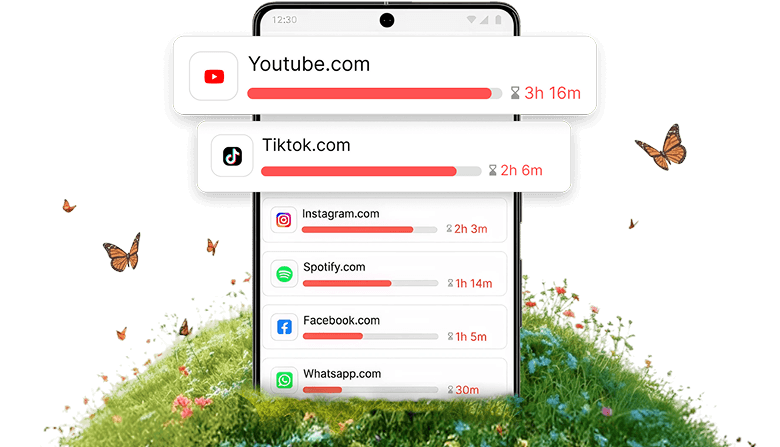
BlockSite is a digital wellbeing tool designed to block distracting and unwanted websites and content categories. For this specific goal, it works best as your first layer of protection, because it can stop the behavior at the point of access, before you are negotiating with yourself.
Block adult websites and categories
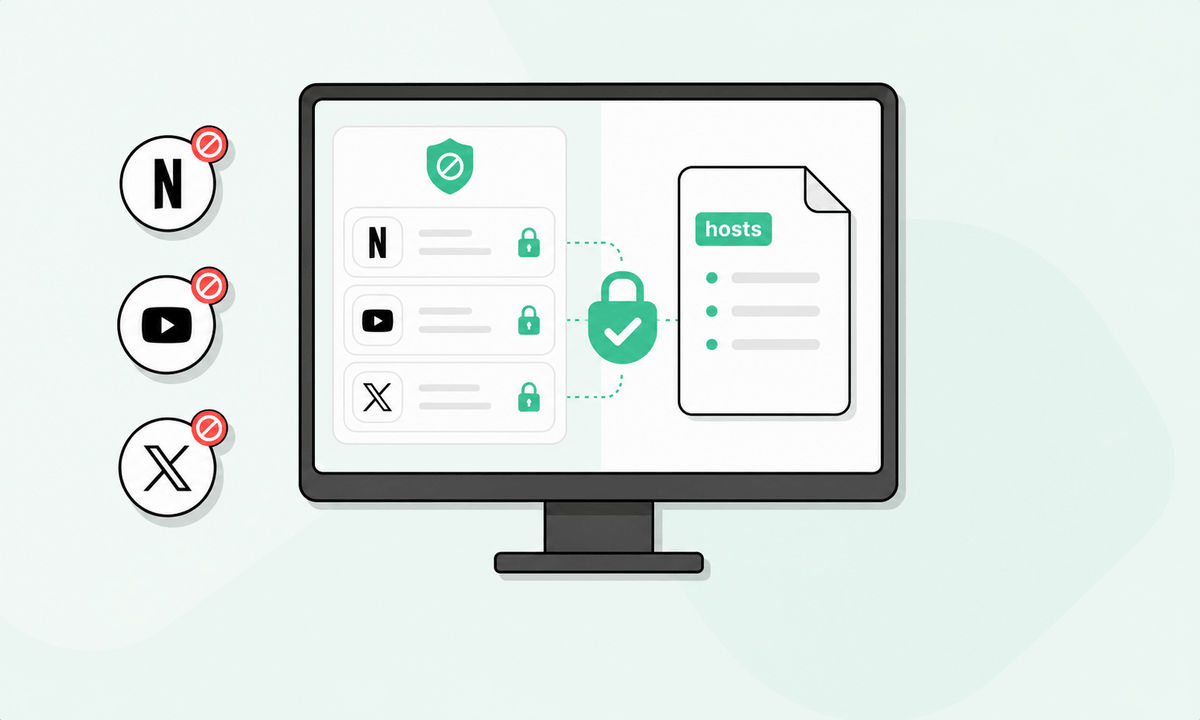
You can block specific adult sites using custom block lists. You can also block the adult content category, which is useful when you do not want to play whack-a-mole with new domains. Keyword blocking adds another layer by preventing pages that contain certain terms from loading, which helps cut down accidental exposure from searches or suggestive pages.
This is the solution for anyone searching how to block inappropriate content without manually tracking every site.
Prevent access across devices and browsers
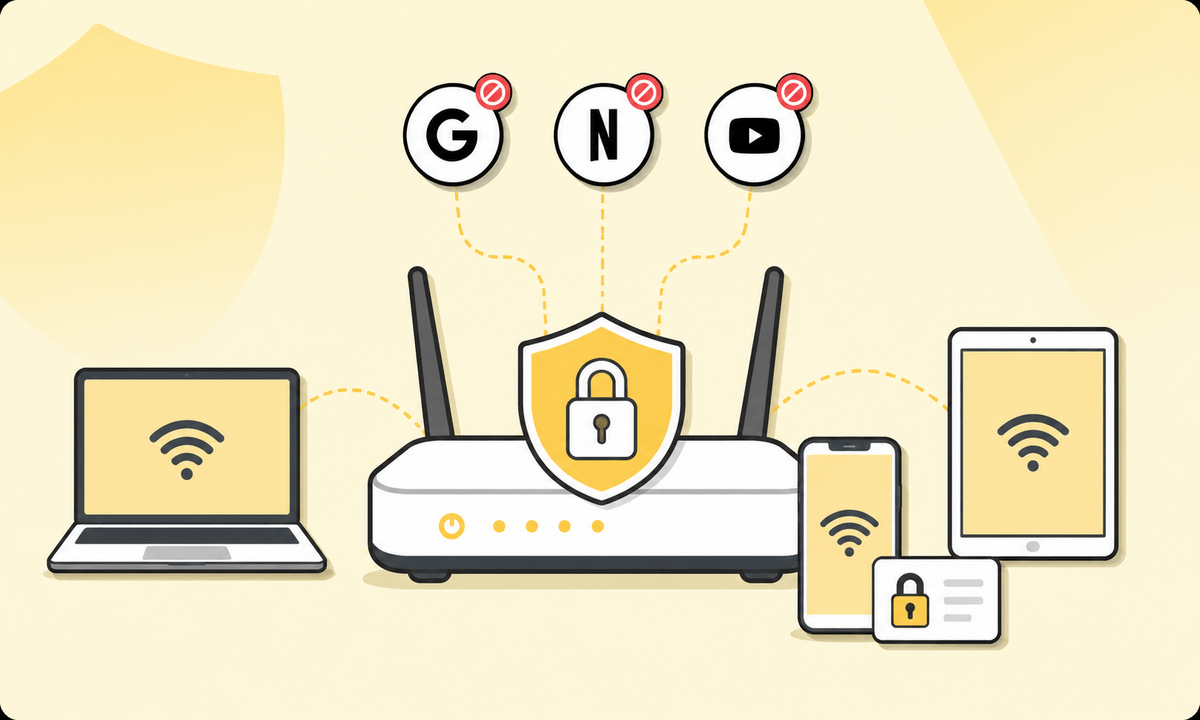
A common failure point is switching screens. You block on your laptop, then reach for your phone. Sync helps you apply the same rules across devices, so the boundary does not collapse the moment you change platforms.
To make this even more reliable, avoid leaving “private” devices unprotected. If one device is still open access, your brain will learn to route around your rules.
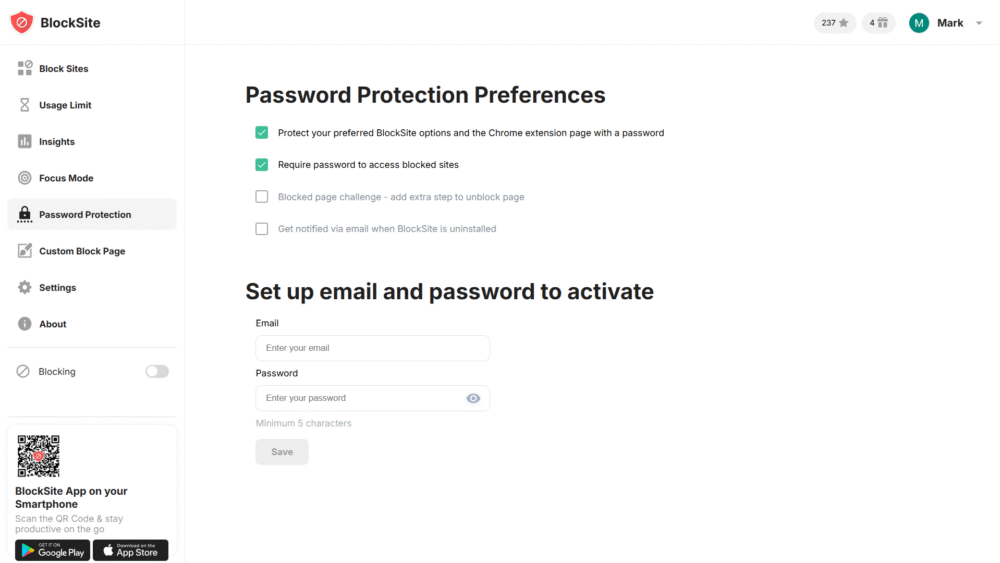
Use password protection to avoid bypassing
The hardest moments are the impulsive ones. Password protection adds a meaningful pause by locking your settings and blocked pages. If you are tempted to turn blocking off, you cannot do it instantly, which helps you ride out the urge long enough for it to peak and fade.
Here’s a basic practice that you should follow: do not use a password you already know by heart. Ask a trusted person to set it, or set it and store it somewhere inconvenient, so it functions as a real barrier.
2. Set clear personal limits
Vague goals like “I will stop” are easy to renegotiate. Make the rules specific and measurable.
Here are examples that are strict enough to hold:
- No adult movies when I am in bed
- No browsing after 10:30 PM
- Devices stay out of the bathroom
- If an urge hits, I wait 15 minutes before I do anything
You can also set short term targets, then extend them. For example, aim for three clean days, then seven, then fourteen. Track it on paper or in a notes app. The point is to see visible progress and not perfection.
3. Remove easy access to adult content
Blocking helps, but you still want to remove the shortcuts that lead you there.
Here’s what you can do for a quick cleanup:
- Delete bookmarks, saved links, and favorites
- Clear auto-fill and saved searches that point you back to adult content
- Unfollow accounts that reliably trigger you
- Stop scrolling in places that are basically a trigger machine for you
- Change your physical environment if you have a predictable viewing spot, like late night in bed with a phone
If your habit is tied to privacy, you’ll need to change the default environment. Charge your phone outside the bedroom. Use screens in common areas. The aim is to break the association between isolation and acting out.
4. Build healthier daily routines
Adult movie use often spikes when your day has empty gaps and low structure. A simple routine lowers that risk.
You can use three anchors:
- Morning: a fixed wake time, quick movement, and a first task that is not your phone
- Midday: food, sunlight, short walk, and a reset if stress is climbing
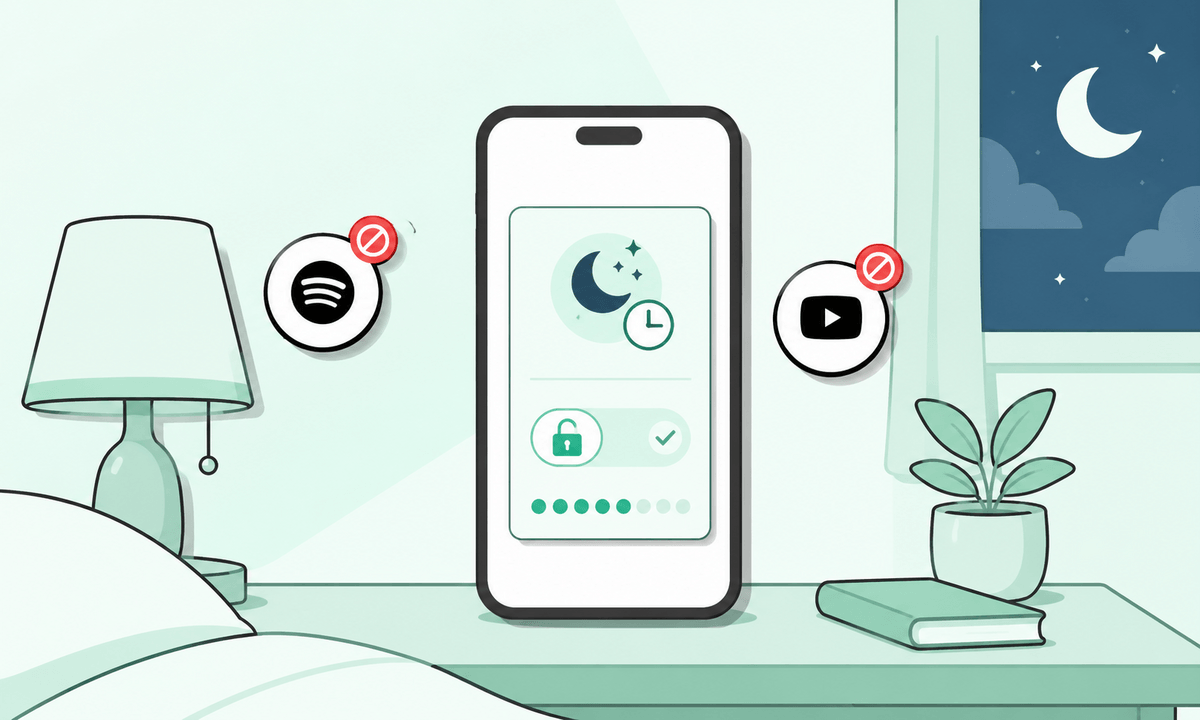
- Night: a consistent wind-down so late-night urges are not running the show
If urges hit hardest at night, create a replacement routine that feels settling and absorbing: shower, breath work, reading, or audio stories. Consistency matters more than intensity.
Add a few screen-free activities into your week that you can do when cravings hit, such as walking, cooking, gym sessions, cleaning a room, or meeting a friend. The point is to train your brain that there are other ways to shift your state.
5. Admit that you are addicted
This step is not about labels but honesty. If the behavior is harming your life and you cannot stop, treating it like a “small habit” keeps you stuck.
Here are a few lines you can say to yourself, and mean them:
- “This is a real problem for me.”
- “It is costing me time, energy, and confidence.”
- “I need a plan, not just motivation.”
That change in how you see the problem makes it easier to seek help and put guardrails in place without feeling like you are overreacting.
6. Join a support group
Secrecy fuels compulsive behavior. Support groups reduce isolation, give you people who understand the pattern, and create accountability through regular check-ins.
Options range from peer communities to structured programs. The exact format is less important than consistency. If you are serious about change, treat support like a standing appointment and not just your optional add-on.
7. Get professional help
If you are dealing with strong compulsion, escalation, sexual dysfunction, relationship fallout, trauma, depression, or anxiety, professional support can make your plan more effective and less overwhelming.
Therapy can help you:
- Identify triggers and underlying drivers
- Build coping skills that work under stress
- Challenge thought patterns that keep the loop going
- Repair relationship trust when needed
Common therapy methods include cognitive behavioral therapy and acceptance and commitment therapy. If you have access, this is one of the highest-leverage steps you can take.
8. Replace it with healthy content
The brain does not like empty space.You create a gap that pulls you back when you remove adult movies and do not replace the reward
Start with replacements that match the function:
- If you watch for stress relief: exercise, breathing, shower, or a walk
- If you watch for boredom: hobbies, learning content, projects, volunteering, or social plans
- If you watch for loneliness: call someone, go outside, join a group, or schedule regular meetups
You do not need a perfect replacement. You need a reliable one you will actually do when urges hit.
A simple strategy that helps many people is to treat urges like a wave: notice it, name it, and wait it out for 10 to 15 minutes while doing something physical. Most cravings fade if you do not feed them immediately.
If you are looking for a single clear roadmap on how to finally stop watching adult movies, combine all three layers: block access, build replacements, and add accountability. Any one of these alone can fail under pressure. Together, they hold.
The right way forward
Recovery is possible, and it usually looks like steady improvement, not instant transformation. This is not you becoming a different person overnight. It’s all about changing your environment and routines so the habit is harder to start, easier to interrupt, and less necessary over time.
Small, consistent steps make a big difference. Block access, tighten the moments where you are most vulnerable, and keep building a life that has less empty time and more real rewards. If you slip, treat it as feedback: what triggered it, what was missing, and what you will change next time.
Treat BlockSite as your tool for productivity rather than a punishment. It is there to protect your time and attention the same way a budget protects your money.
FAQ
Is it normal to relapse while trying to quit?
Yes. Relapse is common in behavior change. The important part is what you do next: identify the trigger, close the loophole, and return to your plan quickly. The longer you stay in the “I failed” mindset, the easier it is for the habit to regain momentum.
What should I do when an urge hits?
Move first. Stand up, change rooms, walk outside, do pushups, or take a shower. Contact a trusted person if that is part of your plan. Remind yourself the urge peaks and fades. Delaying action by 10 to 15 minutes is often enough to regain choice.
How do I stop late-night binges?
Late night binges usually happen when you are tired, alone, and already on your phone. Put devices out of the bedroom, start a consistent wind-down routine, and set strict access rules after a certain time. If you use BlockSite, schedule blocking during your highest-risk hours and lock settings with a password.
4Can blocking alone solve it?
Blocking helps a lot, but it is not the whole solution. If adult movies are your stress or loneliness coping tool, you also need replacement routines and support. Think of a website blocker as the door lock, not the full safety plan.
What is a good first step if I feel ashamed to talk to anyone?
Start by telling one safe person, or join a group where sharing is anonymous at first. Shame thrives in silence. Even one honest conversation can reduce the pressure that keeps the loop going. If you can access therapy, that can also be a confidential place to begin.