


Staying focused can be challenging, especially when you have ADHD or Attention Deficit Hyperactivity Disorder. Data from the National Library of Medicine estimates that 4.4% of American adults are living with this mental health condition. This is much higher than previous records and highlights the need to provide them with support in maintaining their concentration and productivity in their everyday tasks.
If you have ADHD, you’re not alone. This guide offers practical strategies, tools, and techniques to help you manage distractions more effectively. Whether at home, work, or school, these tips are designed to support your focus, so keep reading for more.
How Can ADHD Affect Your Focus?
ADHD has a profound effect on how you manage your focus and attention. This condition can have an impact on your day-to-day life, including your daily productivity, learning, and even personal relationships.
Symptoms of ADHD widely vary, but they typically include issues with concentration, impulsivity, and hyperactivity. All of these can disrupt the ability to stay on task. This is why being aware of the specifics can help in tailoring interventions to mitigate these challenges.
Impulsivity and Distractibility
One of the hallmark symptoms of ADHD is impulsivity. This manifests as a sudden urge to do other things when you should be focusing on the task at hand. This often leads to a scattergun approach to tasks, where nothing gets sustained attention. Distractions make this problem worse. Outside things easily grab attention, and this makes it hard to stay focused on assignments, conversations, or work tasks for long periods.
Hyperfocus on Irrelevant Details
Surprisingly, people with ADHD can experience hyperfocus. This is an intense concentration on certain details or activities. However, this often means other important tasks get ignored. For example, someone might spend hours perfecting a single graphic for a presentation while neglecting the overall content that is, of course, equally important. This uneven focus can delay them in completing their task and affects their overall productivity.
Difficulty with Task Initiation
Starting tasks can be particularly daunting for those with ADHD. This is often due to the feeling of being overwhelmed, having difficulty in organizing their thoughts, or experiencing anxiety about the scope of the task. This procrastination can lead to a significant backlog of responsibilities. It then increases stress and reduces their available time, which further impairs their ability to focus when they finally begin the task.
Challenges with Sustaining Attention
For someone with ADHD, it can be really hard to sustain their attention over time. This is even more challenging when the task is too long, or they’re aware that they won’t feel any immediate gratification. And because of this, tasks and projects don’t get completed. Sure, they may start well, but in just a short span of time, they will eventually lose their momentum. And when their focus wanes, tasks go left unfinished.
Managing Multiple Tasks
Individuals with ADHD frequently report having difficulties in multitasking. Because they are unable to switch focus adaptively between tasks or prioritize effectively, they tend to be less productive and easily get frustrated about it.
How to Stay Focused and Motivated with ADHD?
Staying focused with ADHD can seem like a daunting challenge, but with the right strategies and tools, individuals can enhance their concentration and effectively manage their tasks. Here are eight detailed tips that can help anyone with ADHD improve their focus and productivity:
1. Optimize Focus with BlockSite
BlockSite offers several features that can aid individuals with ADHD in maintaining their focus. Here’s how each feature can help:
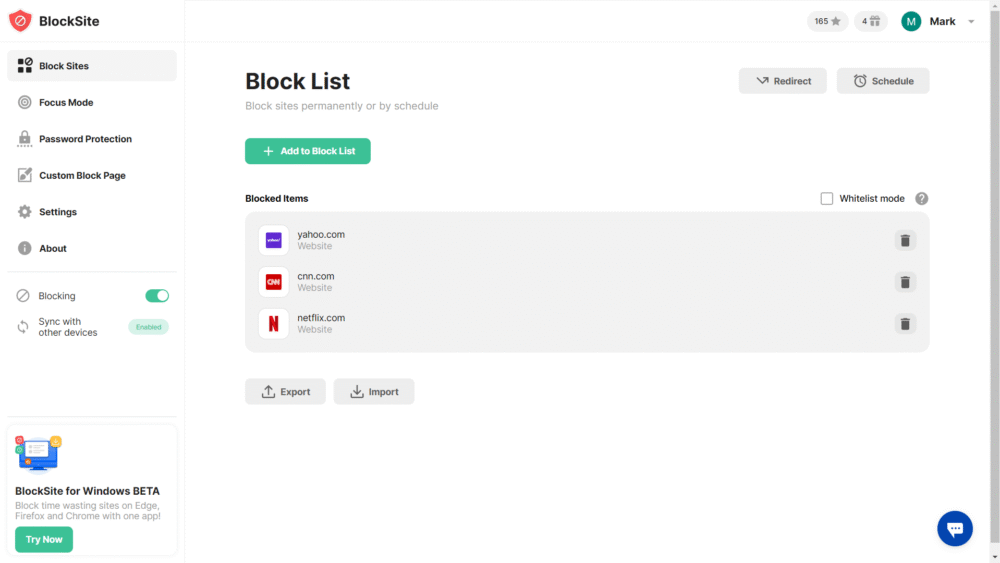
Block List & Block Apps
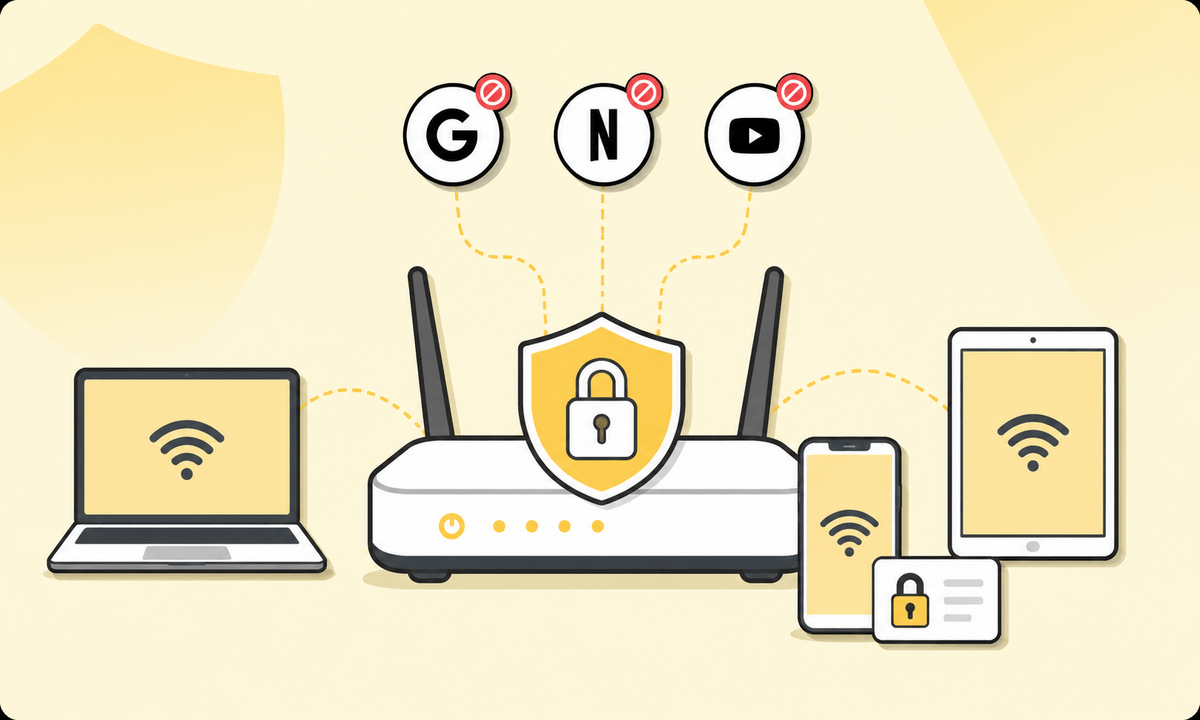
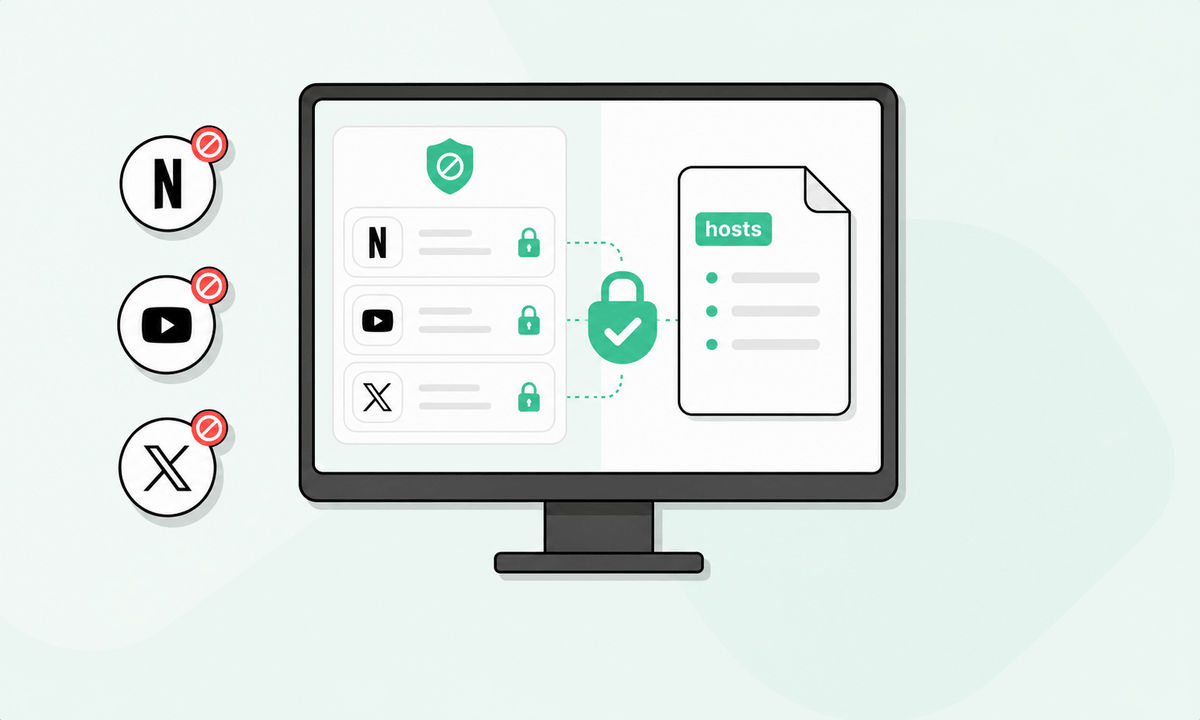
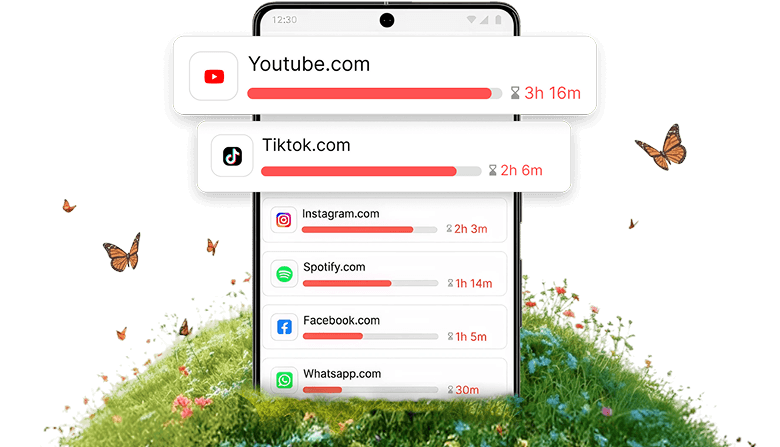
Using these features will allow you to block distracting websites and apps. The tool prevents access to any of these distractions so you can keep your attention on work-related tasks.
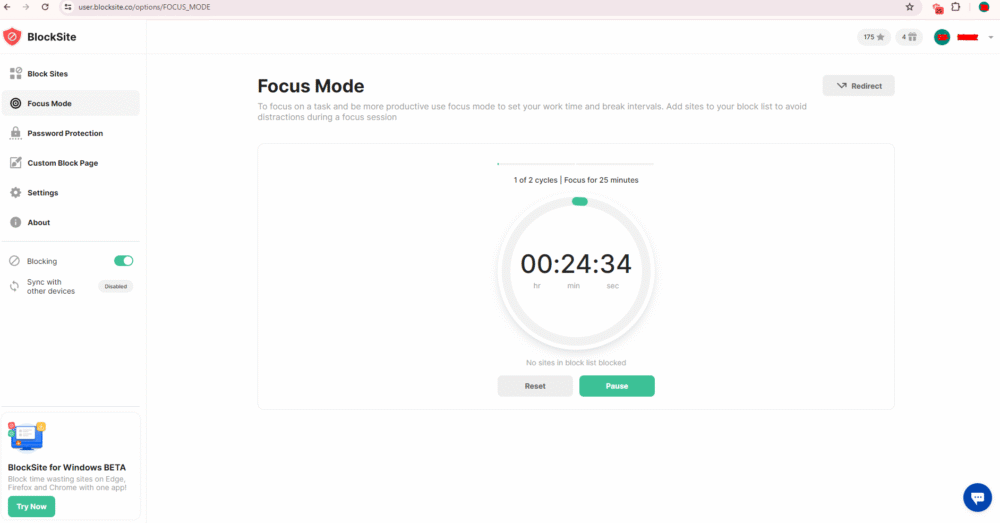
Focus Mode
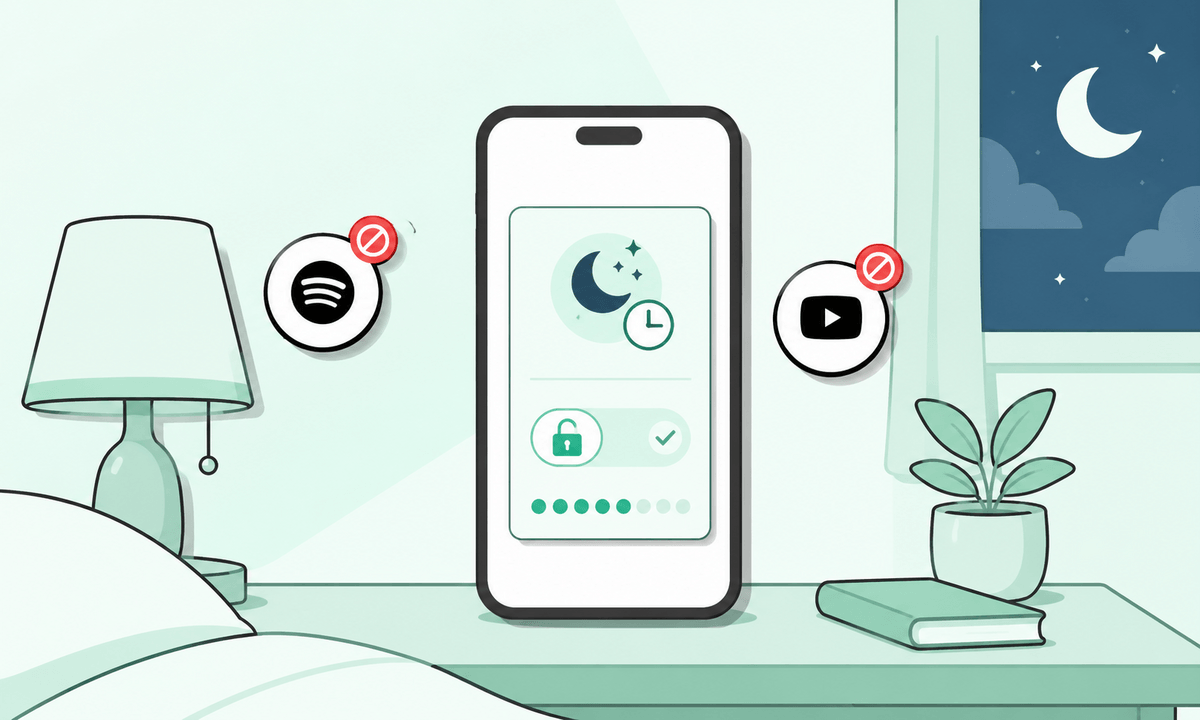
Activating this mode also helps you avoid distractions. What it does is that it will allow you to set your work time and break intervals. Any sites or apps that you’ve added to this block list will be inaccessible whenever a focus session is active or running.
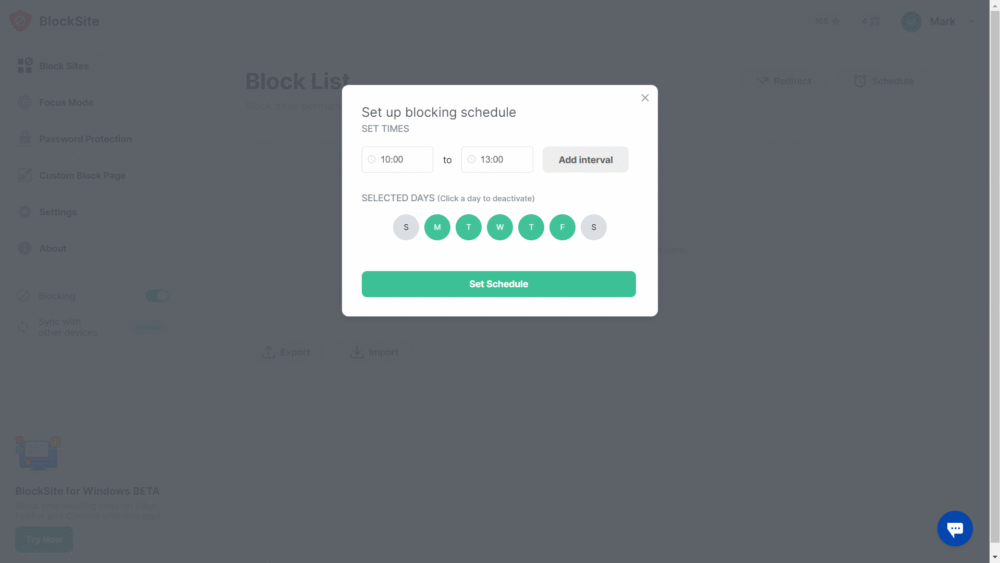
Schedule
Via this feature, you can schedule specific times of the day to block distracting sites and apps. Using this method lets you remain focused during your most productive hours.
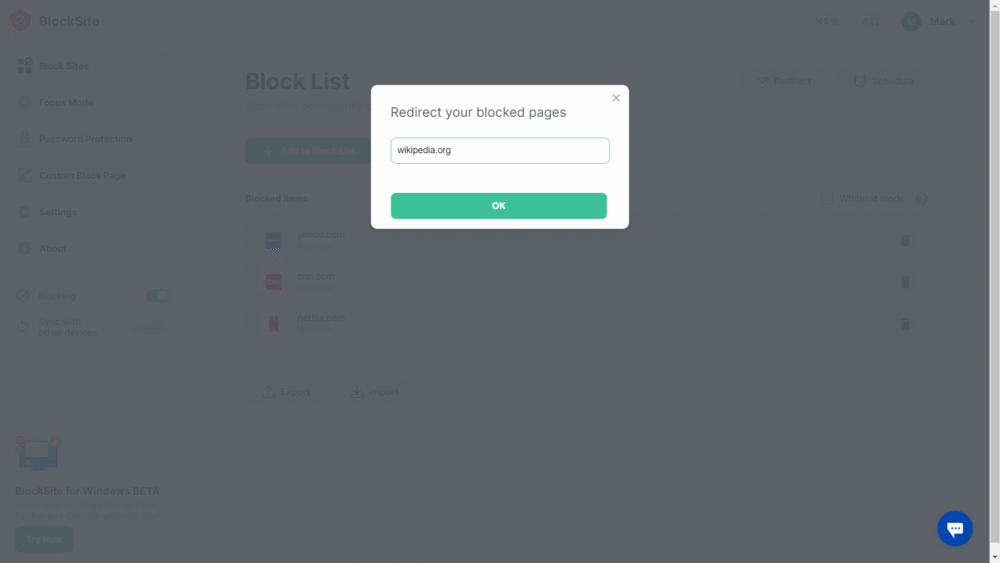
Redirect
As the name implies, this feature helps redirect your attention from distracting sites to more useful ones. This helps keep your focus aligned with your tasks.
2. Create a Clutter-Free Workspace
The environment in which you work can significantly impact your ability to focus, especially if you have ADHD. Creating an organized and clutter-free workspace helps in minimizing these distractions that pull your attention away. Keep only the essentials on your desk, such as the project you’re currently working on, and store everything else out of sight. This simplifies what you see and helps your brain relax, so you can easily concentrate on the task at hand.
3. Break Tasks into Manageable Pieces
Large, overwhelming projects can freeze your ability to start or maintain focus. The solution to this is breaking these tasks into smaller, more manageable pieces. This creates a series of achievable goals and makes the task seem less daunting. In addition, it can give you frequent satisfaction points as you complete each step. Start first with a simple task and then continue with the main project.
4. Use Timers and Alerts
Using timers and setting alerts can help structure your work sessions and break times. Tools like the Pomodoro Technique, where you work for 25 minutes and then take a 5-minute break, can be particularly effective. These short bursts of focused work followed by breaks help maintain your energy levels and prevent burnout. This also keeps your mind fresh and more capable of sustaining focus.
5. Exercise Regularly
Physical activity is a powerful strategy for managing ADHD. When you do regular exercise, your body naturally releases chemicals called endorphins, which block pain receptors and promote a sense of well-being. In addition, these activities, such as walking, running, or team sports, not only increase blood flow to the brain but also help improve executive functions like task switching, memory, and response inhibition.
6. Practice Mindfulness
Taking mindfulness exercises can improve your ability to direct your focus. You can try these techniques as they help train your brain to focus on the present moment and dismiss distractions:
- Meditation
- Deep breathing exercises
- Yoga
Practicing mindfulness regularly can increase your mental resilience and your ability to concentrate on work tasks for longer periods.
7. Set Daily Routines
Managing ADHD requires consistency. Setting a daily routine lessens the number of decisions you need to make about what to do next. This helps in conserving your mental energy for tasks that require more focus. When you have a well-defined routine, it can simplify your life, reduce anxiety, and build a framework that results in higher productivity.
8. Get Adequate Sleep
Sleep quality can have a direct effect on your cognitive function and focus. When you don’t have enough sleep, this could exacerbate your ADHD symptoms, such as inattentiveness and impulsivity. Make sure that you get a consistent and restful night’s sleep in order to improve your ability to concentrate during the day.
Take Control of Your Focus
When you have ADHD and you want to stay focused, you must recognize the specific challenges that you have to face. You also need to have a solid commitment to apply the right strategies and tools, which are designed to aid you in concentrating and being more productive. Creating a structured environment helps break tasks into pieces that are more manageable, and when you take advantage of tools like BlockSite, you’ll be able to focus more and complete tasks.
It’s important to remember that each strategy may work differently for you as compared to other people. This is why experimenting or testing various techniques is needed in order for you to find the right combination that best suits your needs. Be patient but consistent as you make these adjustments, and sooner or later, you start to see significant improvements in your focus and productivity. So, are you ready to take control of your focus? Let BlockSite help you maintain your concentration and achieve your goals with greater ease!
FAQs
What are some signs that ADHD is affecting my focus?
If ADHD is affecting your focus, you might notice frequent shifts in your attention from one activity to another, challenges in starting your tasks, or a tendency to fixate on details that are irrelevant to the task at hand. Most individuals who have ADHD also experience feelings of restlessness or frustration when doing activities that require a lot of mental effort.
How long should I work before taking a break?
The ideal work-break ratio varies, but the most common method that many people find helpful is the Pomodoro Technique. This suggests 25 minutes of focused work, which is then followed by a 5-minute break. Following this cycle helps maintain high levels of concentration and doesn’t lead to burnout. You can adjust the durations to what best suits your personal productivity.
What are the best exercises for improving focus with ADHD?
Those with ADHD should try exercises that combine both aerobic activity and mindfulness. This can be activities like yoga, which requires physical movement and breathing techniques, or more vigorous exercises that help stimulate the brain and improve focus, such as running or cycling.
Can diet affect my ability to stay focused with ADHD?
Yes, diet can have a direct effect on the cognitive functions of individuals with ADHD. Choose foods that are rich in protein, omega-3 fatty acids, and complex carbohydrates. This helps in increasing your focus and energy levels as well. Avoid foods that are high in sugar and fat because these may cause energy crashes.
How do I know if a strategy for managing focus is working for me?
You will know if a strategy is effective when you see a noticeable improvement in your ability to start and complete tasks. If you notice yourself not getting too impulsive or you are getting better at managing your daily activities, then this is also a good sign. You need to track your progress and make adjustments to your strategies if needed. Find what works best for your needs.