


Have you paused to consider whether your smartphone use has crossed into addictive behavior? This concern is becoming widespread, especially as these devices often control both work and personal life. With reliance on smartphones growing, the chance of missing direct human interaction without noticing is significant.
Balancing daily device use and dependency helps maintain a healthy lifestyle. When did these gadgets transform from simple tools to essentials? Proper balance holds significance for health and relationships. As more people reflect on this, they reassess habits to find harmony between technology and personal connections. Are you reflecting on your technology use?
What is a phone addiction?
Phone addiction represents a compulsive need to use a smartphone to the detriment of one’s daily life. Personal and work responsibilities might suffer as a result. This behavior involves a strong impulse to engage with the device, potentially harming important commitments or personal interactions. Similar to other addictions, this dependency can have a profound effect on everyday routines.
As the reliance on smartphones increases, the challenge of disconnecting grows, with many struggling to prioritize real-life conversations over virtual ones. This issue might lead to unnoticed hours passed, impacting health and lifestyle balance negatively.
Symptoms and signs of phone addiction
Recognizing phone addiction symptoms is essential for addressing and reshaping dependency patterns. This awareness allows people to counter negative impacts on mental and physical health and fosters a healthier relationship with technology. Identifying these warning signs and taking swift action can prevent further escalation into significant issues.
Excessive screen time
Using a phone for non-essential activities for over three to four hours is concerning. Instead of engaging in productive tasks or meaningful conversations with loved ones, one might get drawn into endless scrolling.
Anxiety without a phone
Feeling anxious when the phone isn’t nearby suggests a dependency. This anxiety could spring from the fear of missing out on updates or the ingrained need to be always connected.
Neglect of responsibilities
Overlooking important tasks or missing deadlines due to phone distractions shows a shift in priorities. The pull of screen time can blur focus on vital aspects of life, impacting job performance and personal responsibilities.
Physical discomfort
Spending long hours on the phone can cause issues like migraines, neck pain, or eye strain. Recognizing these symptoms can help prevent chronic complications.
Disturbed sleep patterns
Using a phone before bed can disrupt sleep schedules, potentially leading to insomnia. The blue light from screens affects the body’s ability to maintain its natural rhythm.
Quiz
Do you grab your phone in the morning, or are you uncomfortable with it out of sight? The following quiz will allow you to assess if your phone usage is becoming a drug. Just click on all 20 questions and respond “Yes” or “No” to find out:
- Do you find yourself spending more time on your smartphone than you realize?
- Do you mindlessly pass time regularly by looking at your smartphone?
- Do you often lose track of time when on your smartphone?
- Do you spend more time texting, tweeting, or emailing than talking to people in person?
- Has the amount of time you spend on your smartphone increased over time?
- Do you wish you could reduce your smartphone use?
- Do you sleep with your smartphone next to your bed or under your pillow?
- Do you check texts, emails, or social media notifications even if it interrupts other tasks?
- Do you use your smartphone while driving or in situations needing focus?
- Does smartphone use affect your productivity?
- Are you reluctant to be without your smartphone, even for a short time?
- Do you feel uncomfortable or anxious if you accidentally leave your smartphone behind or lose service?
- Is your smartphone usually part of your table setting at meals?
- When your smartphone alerts you, do you feel a strong urge to check it immediately?
- Do you frequently check your smartphone throughout the day, even when there’s nothing new?
- Have you unsuccessfully tried to cut down on your smartphone usage?
- Do you feel anxious or restless if you can’t access your smartphone?
- Do you sometimes lose hours mindlessly checking apps or browsing on your smartphone?
- Has smartphone use ever impacted your relationships?
- Do you feel guilty or regretful about the time you spend on your smartphone?
At the end of the quiz, count your “Yes” answers. If you answered “Yes” to 10 or more questions, you need to think again about your relationship with your phone — the odds of becoming a phone addict are high.
Causes of phone addiction
The magnetic pull of smartphones isn’t coincidental. Various factors contribute to this strong attachment, often rooted in repetitive behaviors alongside psychological and social elements. Understanding these triggers can empower wiser choices about one’s engagement patterns. The ocean of information available just a tap away adds to the screen allure, making it increasingly difficult to resist. Consider the reasons causing this high affinity:
Social approval
Platforms geared toward social connections nurture a thirst for recognition. The dopamine surge from likes and comments keeps users glued, seeking digital validation.
Entertainment and Escape
Whether it’s gaming, streaming, or social networking, these activities offer instant amusement, drawing users into extended sessions.
FOMO (Fear of Missing Out)
Anxiety creeps in as the thought of missing updates or crucial news drives compulsive checking habits.
Ineffective time management
Without structured online routines, individuals fall into endless scrolling, letting passive screen time eclipse other needed tasks.
Mental well-being
Seeking comfort from loneliness or anxiety often pushes individuals toward phones. While it provides temporary relief, consistent use may unknowingly amplify feelings of isolation.
Impact of phone addiction
The effects of excessive phone use can weave through multiple facets of life, leaving noticeable reverberations in its wake. From disrupting personal interactions to hindering professional output, the ripples of its effect range far and wide. Acknowledging the fallout from unrestricted screen time is key:
Decreased productivity
Continuous notifications hamper focus, transforming workflow and decreasing efficiency. This shift in concentration can hinder professional progress, necessitating an organized approach to tech engagement.
Relationship strain
Devices turn into barriers, creating distance in interactions and reducing meaningful conversations, ultimately straining relationships.
Mental health challenges
As reliance grows, prolonged screen viewing may exacerbate stress, anxiety, or depression, compounding existing conditions.
Impaired sleep patterns
Overuse before resting hours disrupts natural circadian rhythms, causing insomnia or reduced sleep quality, in turn affecting daytime performance.
Physical health issues
Extended phone usage can result in ailments like back pain, neck discomfort, or eye strain, often due to poor posture or excessive brightness levels.
Treatments and tools that help fight phone addiction
Stopping phone addiction involves adopting strategies and tools to cultivate healthier smartphone habits. Several methods can help promote mindful and sustainable device use while reducing excessive dependence.
Set screen-time limits
Modern smartphones offer tools for monitoring and controlling time spent on various activities, encouraging balanced use.
Scheduled breaks
Regular intervals away from phone use, such as during meals, support ingrained behavior breaks and ease the constant connectivity pressure.
Engage in offline activities
Engaging in activities beyond screens, such as hobbies or socializing, improves engagement with the environment and reduces screen time.
Mindfulness and relaxation
Techniques like meditation increase awareness of phone signals, aiding in reducing dependency.
Block distracting apps
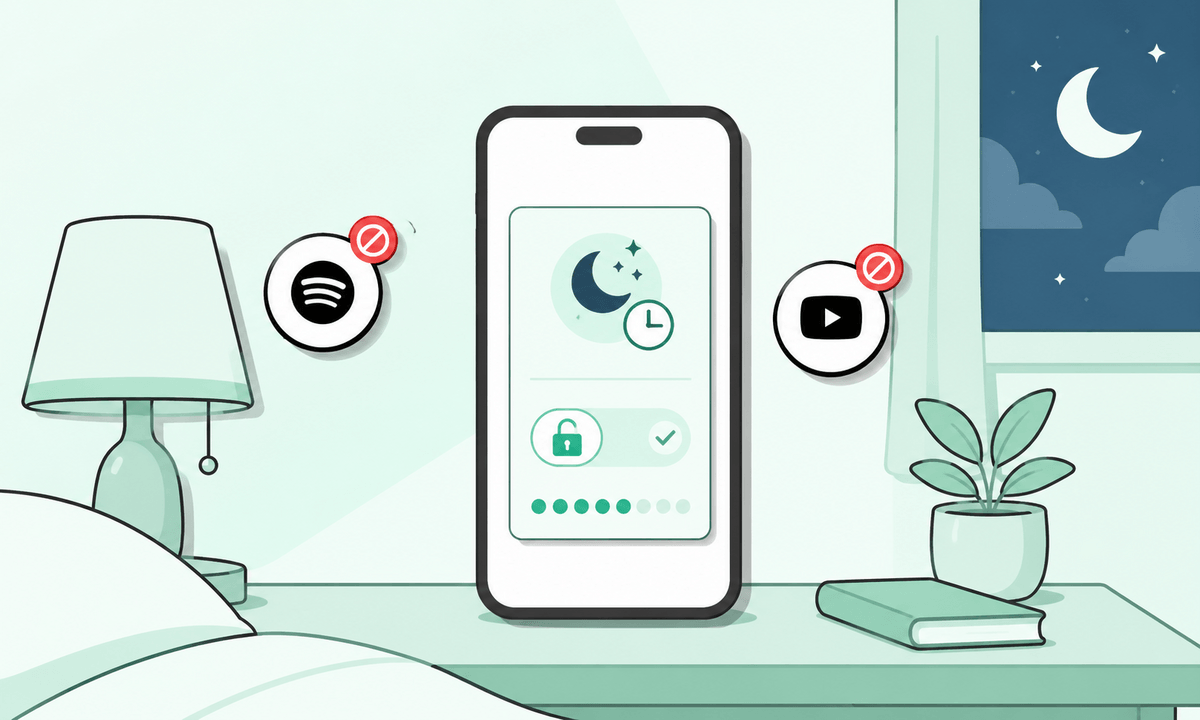
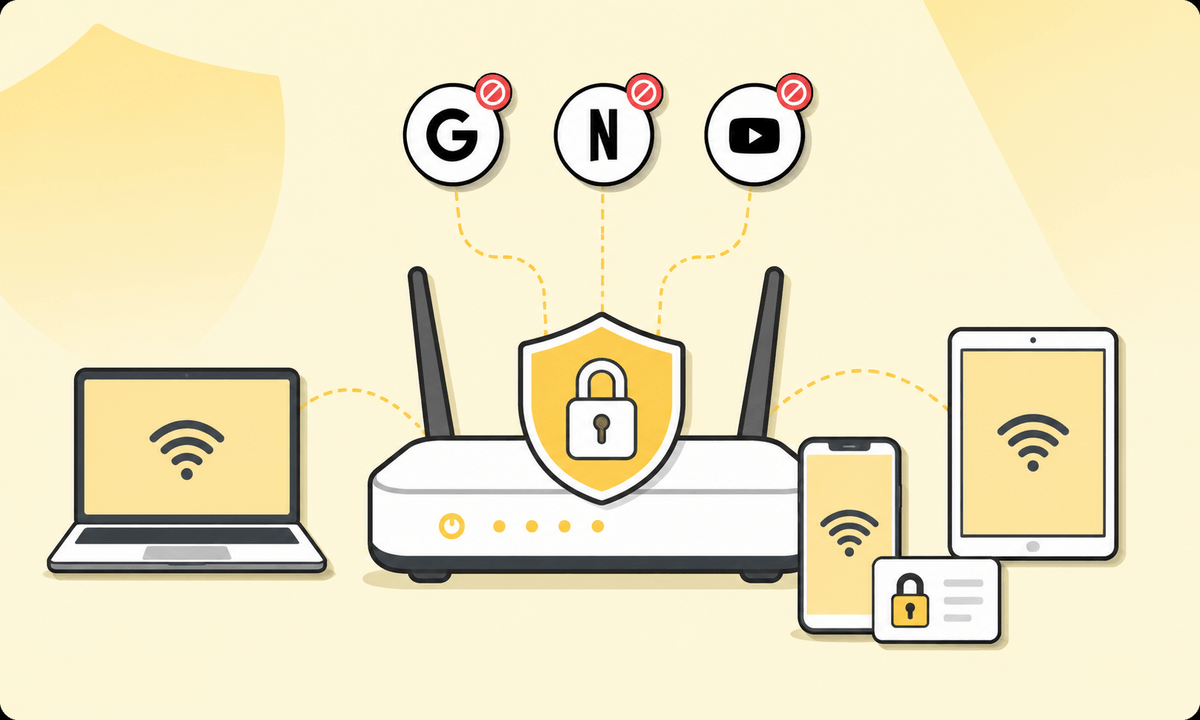
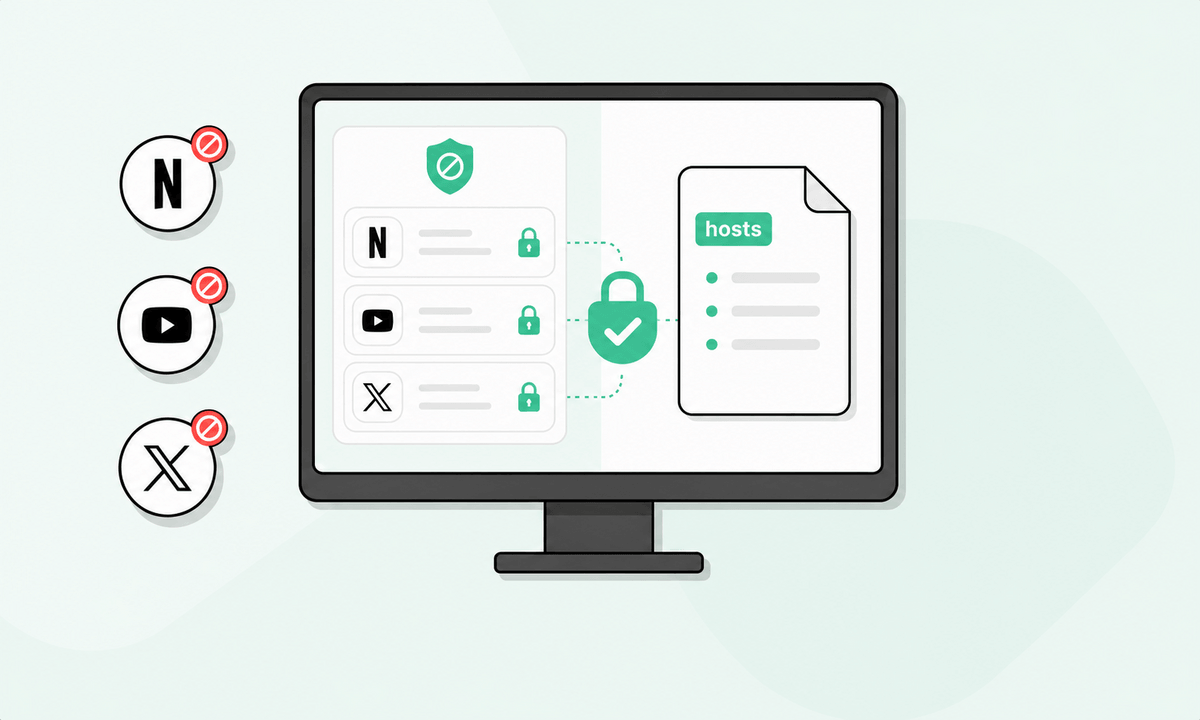
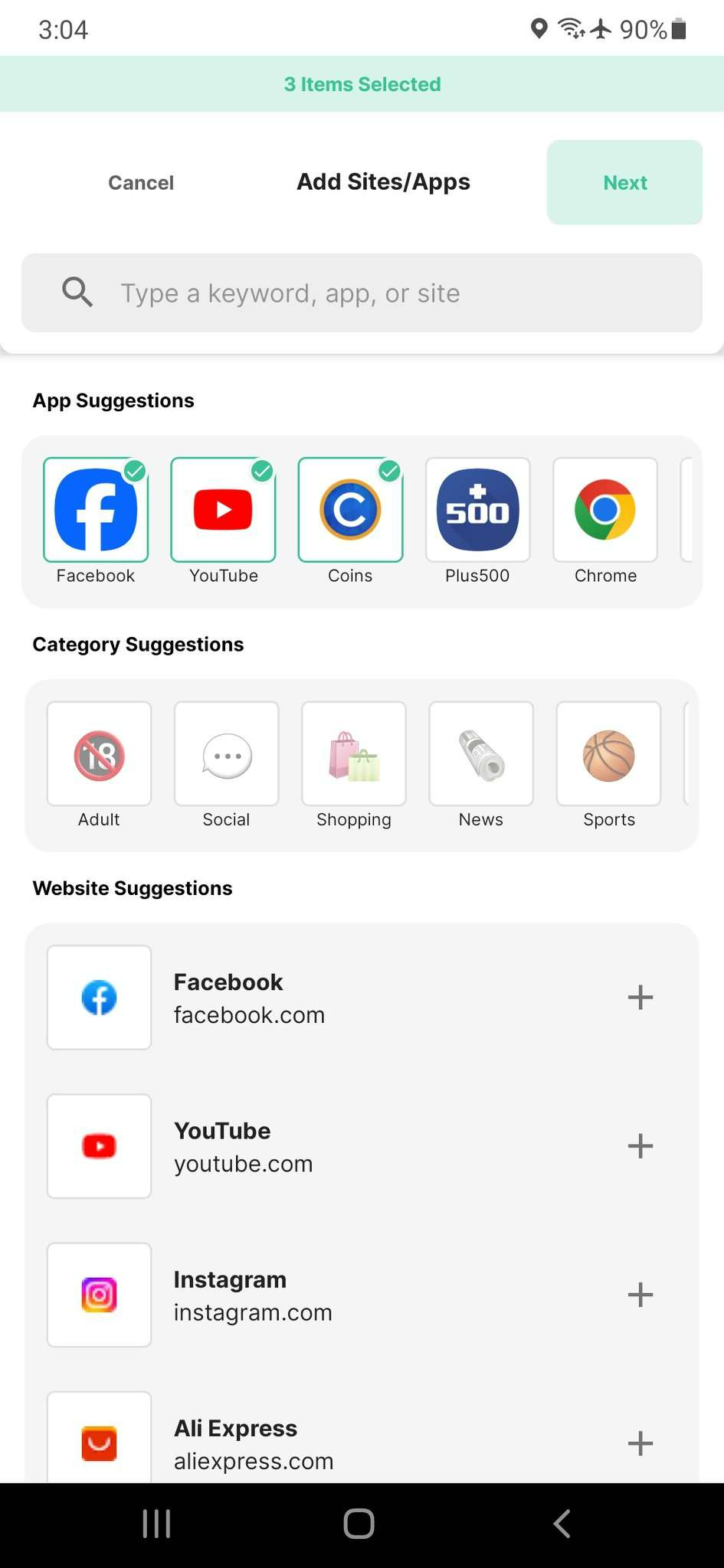
Solutions like BlockSite help by limiting specific apps or scheduling downtime to aid focus on personal goals. Its app restriction and planning features are handy in managing distractions.
Phone addiction withdrawal symptoms
Just like overcoming other addictions, scaling back phone use can lead to withdrawal symptoms. Identifying these markers aids the transition toward habit change, forming a base for healthy recovery:
Irritability
Frustration often surfaces when regular phone access is restricted, indicating an adjustment phase after reducing phone use.
Restlessness
Difficulty concentrating or feeling uneasy without typical phone interactions can signify underlying dependency.
Loneliness
Disconnecting from digital spaces can lead to feelings of isolation, particularly for those relying on virtual interactions for social connections.
Anxiety and stress
The absence of regular phone use may result in increased emotional distress, highlighting the attachment and behavior patterns linked to regular interactions.
Sleep disturbances
Adjustments in nightly routines, usually involving pre-bedtime phone use, can cause sleep issues. It takes time to adapt and restore healthy sleep practices when these habits are broken.
Overcome the bad habit
Recognizing the presence of smartphone addiction is a necessary step toward overcoming it. BlockSite can lessen distractions and aid in regaining focus. These interventions support a more balanced lifestyle, guiding people toward better time management.
Explore BlockSite and other resources to assess your personal tech habits and regulate interactions with gadgets. Taking these steps allows individuals to redefine and improve their daily experiences by adopting informed and deliberate tech practices.
FAQs
How does phone addiction influence personal relationships?
Phone addiction can limit direct interactions, leading to a preference for digital over real engagements, which might compromise personal and professional relationships.
Are there other addictions related to phone addiction?
Yes, similar patterns exist with internet use, gaming, and social media, where compulsive usage disrupts daily routines and connections.
How do alerts affect phone addiction?
Alerts often trigger dopamine release in the brain, encouraging frequent device checks and reinforcing habits linked to phone addiction.
Can practicing mindfulness help decrease phone dependence?
Mindfulness promotes awareness of how technology is used, helping to reduce impulsive checks and guiding more intentional decisions around phone use.
Can excessive phone use harm mental health?
Excessive phone usage often links to higher stress and anxiety. When phone use hinders essential life aspects, it can aggravate mental health problems.