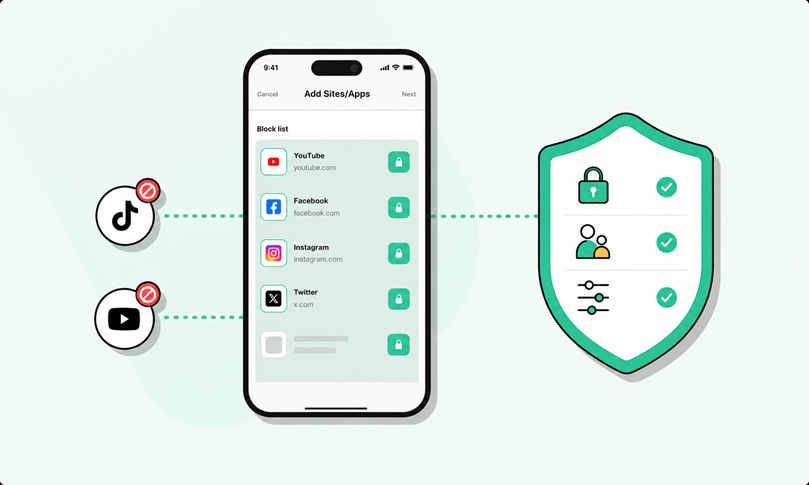




The advent of smartphones and social media has introduced new dimensions and challenges to parenting. The question that often looms large for modern parents is:
How do we harness the benefits of technology while protecting our children from its pitfalls?
Parenting has traditionally involved guiding children through life’s complexities, and the emergence of advanced technologies introduces a fresh dimension to this role. This new aspect calls for an updated approach to nurturing, as parents balance the benefits and challenges of a tech-savvy environment with the timeless goals of child-rearing.
Statistical Snapshot: Kids’ Screen Time Trends
- 47% of children aged 5-10 have their own smartphone, spending an average of 3.4 hours per day online (Source: Childwise Monitor Report)
- Teens, on average, spend 8½ hours a day on screens, while tweens, aged 8 to 12, follow closely with an average of 5½ hours daily (Source: Common Sense)
- A survey reveals that about two-thirds of parents are worried about their teens’ excessive screen time, with 57% implementing some form of screen time restrictions (Source: Pew Research Center)
These stats highlight the pressing need for effective digital parenting strategies. The key lies in finding balance – using technology as a tool for development while setting boundaries to safeguard mental and physical health.
10 Tips for Parenting in the Technologically Advanced World
Grasping digital parenting the challenges for families in the digital age is essential for moms and dads aiming to adeptly manage this evolving dynamic. Here are ten key tips to help you effectively manage your children’s interaction with technology:
1. Create a Family Media Plan
Crafting a family media plan is vital in setting healthy boundaries. This plan involves deciding which types of media are appropriate at different ages, what content is beneficial, and when and where screens can be used.
It’s not just about restricting access but about encouraging a balanced lifestyle where technology is a tool, not a focal point of daily life. Discuss and agree on screen-free zones in your home, like the dining room, and screen-free times, such as during family meals or an hour before bedtime.
2. Foster Open Communication
Encouraging an open dialogue about online experiences is crucial. Regular discussions with your children about their social media use and the content they encounter are crucial.
Equally important is educating them on how to stop social media addiction. This open line of communication helps them feel comfortable sharing their online experiences, including any uncomfortable or worrying ones.
3. Lead by Example
Your behavior with technology sets a precedent for your children. If you are constantly on your phone or laptop, children will likely mimic this behavior. Show them there’s a time for technology and a time for other activities by consciously putting away your devices during family times and engaging in other activities.
4. Promote Quality Content
Steering children towards educational and constructive content can significantly benefit their development. This can include
- Educational games
- Apps that encourage creativity
- Content that supplements their school curriculum
Curating quality content also involves discussing the value of different types of media and guiding them to make good choices.
5. Stay Informed
Staying updated with the latest trends and potential online risks is vital for parenting in the age of digital technology. It helps you understand the digital environment your child navigates and prepares you to have informed discussions with them about their online experiences.
6. Educate About Online Safety
Online safety education should cover the following:
- Privacy
- Risks of sharing personal information
- Understanding online scams
- Identifying trustworthy sources
Explain the importance of privacy settings on social media and the potential consequences of oversharing. Regular conversations about these topics will reinforce their importance.
7. Balance Screen Time and Physical Activity
Balancing screen time with physical activity is key for healthy development and helps stop wasting time on the internet. Motivate your children to engage in:
- Outdoor activities
- Sports
- Hobbies that promote movement and active play
This not only promotes physical health but also develops social and cognitive skills.
8. Monitor Screen Time
Monitoring screen time with apps like BlockSite can help manage your child’s online activities effectively. These tools allow you to see how much time your children spend online and can block access to inappropriate content, helping you enforce the family media plan you have established.
9. Use Tech as a Learning Tool
Integrate technology positively into your child’s learning process. Encourage the use of educational apps that make learning fun and interactive. This could range from language learning apps to online platforms that offer courses in various subjects, aligning with their interests and academic needs.
10. Celebrate Tech-Free Moments
Cherishing moments spent without technology emphasizes the importance of real-world experiences. Plan family outings, hobbies, or activities where technology is not involved, like:
- Hiking
- Cooking together
- Playing board games
These moments are valuable for family bonding and for children to appreciate activities outside of the online world.
How To Prevent The Negative Effects Of Technology On Your Child?
1. Limit Exposure to Inappropriate Content
Safeguarding children from harmful online content is a primary concern for parents. Employing site blocker tools like BlockSite, available as both an app for Android and iOS and as a browser extension, empowers you to limit access to potentially inappropriate websites.
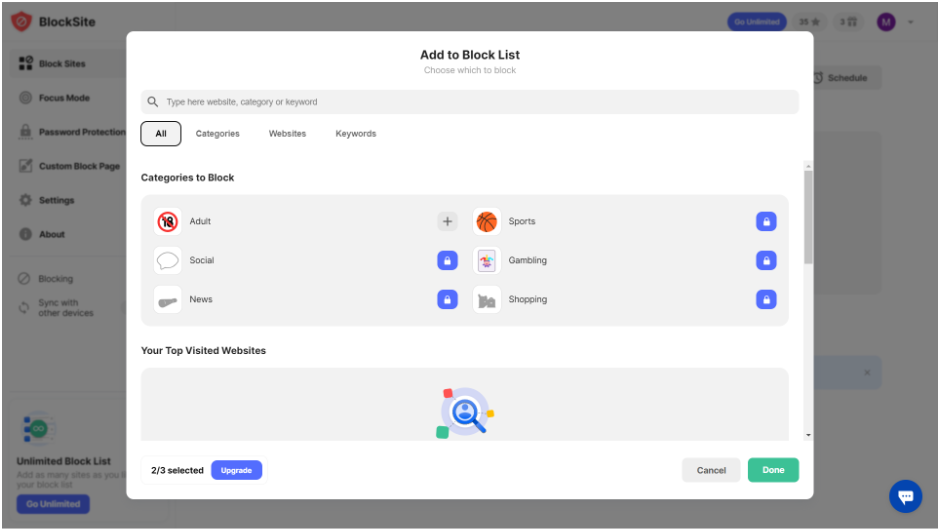
This versatile tool provides the flexibility to customize settings, enabling you to block specific types of sites or particular domains that you deem unsuitable for your child. This gives you control over the digital content they can access, providing peace of mind.
2. Encourage Critical Thinking
Teaching children to think critically about the information they find online is essential. Discuss how to identify reliable sources and question the accuracy of the information they come across. This skill is vital in an environment filled with misinformation and biased opinions.
3. Prioritize Sleep
Adequate sleep is crucial for a child’s development. Encourage a routine that involves turning off screens well before bedtime to avoid interference with sleep quality. This helps in establishing a healthy relationship with technology that respects the need for rest.
4. Cultivate Other Interests
Promoting hobbies and interests outside of screen time is important for well-rounded development. Engaging in diverse experiences enriches a child’s life and reduces their reliance on technology for entertainment. This could include the following:
- Sports
- Arts
- Reading
- Outdoor activities
5. Discuss Digital Etiquette
Teaching children about respectful and kind behavior online is as important as teaching them how to behave in person. Discuss the implications of their online actions and the importance of empathy towards others in the virtual space.
6. Recognize Signs of Cyberbullying
Being aware of the signs of cyberbullying can help in early intervention. If your child seems anxious or reluctant to use the internet, it could be a sign they’re experiencing or witnessing bullying online. Create an environment where they feel comfortable discussing these issues.
7. Promote Digital Literacy
Understanding the technology used daily can empower children and make them more aware of its potential pitfalls. Educate them on:
- How certain apps work
- What personal data is
- Why it’s valuable
This knowledge can transform them from passive users to informed consumers of technology.
8. Set Realistic Boundaries
Clear guidelines about what is acceptable online behavior are crucial. These rules should be based on:
- Your child’s age
- Their maturity
- The values you want to instill
Regularly review and adjust these boundaries as your child grows and technology evolves.
9. Use Your Tools Wisely
Web extensions and apps like BlockSite serve as powerful tools for controlling what children access online and when. These solutions offer functionalities to manage screen time effectively, allowing you to block specific apps or websites and keep tabs on online activities.

BlockSite features a Focus Mode, designed to eliminate distractions for a set period, enhancing productivity and concentration. Additionally, its Schedule feature allows you to designate specific hours when distractions are automatically blocked, ensuring that your child remains focused during crucial times like study or bedtime.
10. Offer Emotional Support
Always be there to support your child through their online experiences. Encourage them to share their feelings about what they encounter online. Being a supportive listener can help mitigate any negative impacts of their online activities.
Nurturing Growth in a Tech-Driven World
Our rapidly advancing technological environment has taken parenting teens in the digital age beyond traditional boundaries, bringing forth unique challenges and opportunities. The journey of nurturing and guiding children in this context is multifaceted, involving more than just managing screen time. It’s about actively participating in their digital experiences, fostering open communication, and setting a positive example.
This modern parental role requires a dynamic approach, blending traditional values with new strategies to foster healthy, well-rounded development in children. The utilization of tools like BlockSite exemplifies proactive steps in this direction, offering a practical solution for managing digital influences.
Ultimately, successful parenting in this landscape hinges on balance—leveraging technology as a powerful ally in education and development while ensuring it doesn’t overshadow the fundamental aspects of childhood. It’s about crafting a family environment where technology serves as a tool for growth and learning, harmoniously integrated into the fabric of everyday life.
FAQs
What’s the right amount of screen time for children?
Determining the appropriate screen time for kids depends on their age, developmental needs, and family dynamics. The American Academy of Pediatrics suggests one hour per day for children aged 2-5 and consistent limits for older kids and teens. The key is to ensure that screen use doesn’t interfere with adequate sleep, physical activity, and other behaviors essential to health. Consider using tools like BlockSite to help regulate and monitor screen time effectively.
How can I teach my child about internet safety?
Internet safety is crucial, and teaching it starts with open conversations. Discuss the importance of keeping personal information private, understanding online scams, recognizing reliable sources, and being cautious with online interactions. Encourage them to approach you if they encounter anything uncomfortable or suspicious. Also, utilizing parental control tools can provide an extra layer of safety.
What are the signs of digital addiction in kids?
Signs of digital addiction include excessive screen time impacting sleep or physical activity, neglect of hobbies and interests, withdrawal symptoms when devices are taken away, and persistent thoughts about being online. It’s important to address these signs early and seek professional help if necessary. Regularly scheduled screen-free times can be beneficial in preventing such addiction.
How can I use technology to enhance my child’s education?
Technology, when used judiciously, can significantly enhance learning. Encourage the use of educational apps and websites that complement your child’s school curriculum. Look for interactive and engaging resources that stimulate creativity and critical thinking. However, it’s vital to balance technological educational tools with traditional learning methods and ensure that screen time is productive and not solely for entertainment.
What’s the best way to discuss cyberbullying with my child?
Approach the topic of cyberbullying with sensitivity and openness. Explain what cyberbullying is, why it’s harmful, and the importance of empathetic and respectful online behavior. Encourage them to speak up if they’re being bullied or if they witness others being bullied. Emphasize that they can always come to you or another trusted adult for help and guidance. Educating them about the responsible use of technology and social media is essential to prevent and address cyberbullying.