


At what point does recreational gambling become a harmful dependence? Understanding this boundary is crucial for many who partake in gambling for entertainment and suddenly find it evolving into an overwhelming compulsion. This activity, initially innocent fun, has the potential to disrupt finances and mental health. It not only depletes a bank balance but can also wreck emotional stability and personal connections.
According to Yale Medicine, roughly 1% of U.S. adults may face a gambling disorder. This statistic raises an essential question: “Am I addicted to gambling?” Recognizing the early signs is vital for timely intervention, and self-assessment tools such as quizzes can provide valuable insight into one’s behavior. This could be the first step towards regaining control and seeking appropriate help.
What is a gambling addiction?
A gambling addiction can often sneak up on individuals much like a thief in the night, bringing unforeseen chaos in its wake. Unlike other addictions with more visible signs, this one often remains unobserved until it has grown significantly. Initially, gambling may seem like an engaging pastime. Over time, however, the compelling urge to gamble intensifies, drawing individuals into a spiral of financial uncertainty and emotional turmoil.
What starts as harmless recreation can rapidly transform into compulsive habits that engulf all aspects of daily life. Often, the afflicted remain in denial about the gravity of their situation, even as they face substantial losses and hurdles. It is crucial for those affected to confront this issue and begin the journey toward a healthier lifestyle.
Symptoms and signs of gambling addiction
Identifying gambling addiction early helps arrest its adverse consequences before they become more serious. This addiction does not appear suddenly; instead, it represents a progressive erosion of self-control that manifests in distinct behaviors.
Constant thoughts
Individuals might frequently find themselves preoccupied with gambling-related thoughts. Whether they’re imagining the next big win or analyzing past losses, they’re mentally consumed, distracting them from daily responsibilities and harming relationships.
Inability to limit betting
The notion of stopping gambling is often acknowledged but rarely acted upon, as the thrill overrides reason. There’s an understanding that gambling is problematic, but the pull remains too strong to resist consistently.
Using gambling to cope
When gambling becomes a go-to option for handling stress or emotional pain, the temporary escape it provides can deepen the addiction. This cycle transforms into a repetitive pursuit of relief without addressing underlying issues.
Deception and concealment
Attempts to cover up the extent of gambling activities or related losses often involve lying, eroding trust and compromising relationships. Such behavior damages the foundation of honesty that relationships rely on.
Neglected duties
As gambling takes precedence, duties to family and work fall behind, leading to feelings of isolation and disconnection from significant others. This withdrawal can further harm one’s personal and professional life.
Irresponsible financial decisions
Excessive gambling leads to reckless financial actions such as depleting savings, taking loans, and even liquidating assets. These desperate measures can spiral into severe financial crises.
Withdrawal symptoms
A halt in gambling often brings withdrawal symptoms like anxiety and restlessness. The overpowering stress can drive the individual back into the cycle, seeking solace at the gamble’s expense.
Quiz
Do you find yourself pondering whether gambling is not just an occasional pastime? This 20-question quiz will give you a baseline view of your relationship with gambling. Simply reply to each question with a “yes” or “no” to see if your behavior meets common addiction indicators:
- Do you often gamble more money than you initially intended?
- Do you feel restless or irritable when you try to cut down or stop gambling?
- Have you ever lied to family or friends about the extent of your gambling?
- Do you gamble to escape personal problems, stress, or feelings of anxiety?
- Has gambling caused you financial problems or debt?
- Do you often think about your next gambling opportunity or ways to get money to gamble?
- Have you tried and failed to reduce or quit gambling multiple times?
- Do you feel the need to increase your bets to achieve the same level of excitement?
- Have you ever missed work, school, or other responsibilities because of gambling?
- Do you gamble to improve your mood or forget about issues in your life?
- Have you tried to recover losses by returning to gamble more (often called “chasing losses”)?
- Has gambling caused problems in your relationships with family or friends?
- Do you often gamble until you have no more money to spend?
- Do you feel guilt, shame, or regret after gambling?
- Have you ever stolen money or engaged in illegal activities to fund your gambling?
- Do you continue gambling despite negative impacts on your life or well-being?
- Have others criticized or expressed concern about your gambling behavior?
- Do you feel compelled to gamble, even when you know it may have negative consequences?
- Has gambling become more important to you than other hobbies or interests?
- Do you feel relief or satisfaction only after gambling, even if it causes you problems later?
If you said “yes” to 10 or more questions, you might have a gambling addiction and need assistance or support.
Causes of gambling addiction
Recognizing the origins of gambling addiction is vital for addressing it effectively. This addiction can arise from various factors, each playing a part in its development:
Emotional coping mechanisms
Often, gambling serves as an escape from emotions such as stress or depression. The temporary excitement from gambling can be enticing, yet it typically exacerbates emotional issues, reinforcing the gambling behavior.
Environmental access
The proliferation of gambling opportunities, both online and offline, influences addiction patterns. The accessibility of gambling platforms, coupled with enticing marketing, often leads individuals into frequent gambling habits.
Genetic factors
Evidence suggests a genetic component in addiction susceptibility. Family history showing gambling issues can signify a genetic predisposition, increasing one’s vulnerability to gambling problems.
Personality traits
Individuals displaying impulsivity or a desire for a thrill are usually more drawn to gambling. These characteristics increase the difficulty in resisting the urge to gamble, often leading to addiction.
Life stressors
Major life changes or stress-inducing events like unemployment or personal losses can trigger or exacerbate gambling habits. In these situations, gambling is often a temporary escape from immediate stressors.
Effects of gambling addiction
Gambling addiction’s consequences reach deep into one’s life if not addressed, underscoring the importance of understanding these effects to forge a pathway to recovery.
Beyond financial struggles, gambling addiction can cause other severe impacts:
Economic problems
Continuously wagering funds can swiftly lead to severe debt. This financial instability often cycles into stress and more gambling, deepening the addiction.
Interpersonal issues
The trust that forms the basis of healthy relationships deteriorates under the strain of hidden gambling activities, leading to emotional isolation and deterioration of family bonds.
Mental health decline
Issues such as depression and anxiety frequently accompany gambling addiction, creating a detrimental feedback loop. The emotional turmoil driven by addiction often requires comprehensive mental health care.
Job performance issues
Prioritizing gambling over job responsibilities can cause professional setbacks, risking employment status and career development.
Physical health impact
The stress accompanying gambling addiction can manifest as physical health issues, including stress-related diseases, due to neglect of personal health alongside the emotional pressures associated with addiction.
Treatments and tools that help fight gambling addiction
Recovery from gambling addiction entails more than a singular approach, blending therapy, support systems, and modern tools to create an effective recovery strategy.
Effective strategies include:
Therapeutic solutions
Cognitive behavioral therapy (CBT) addresses destructive thought patterns, promoting healthier decision-making processes. Group therapy provides communal support and allows for shared experiences throughout the recovery phases.
Community support programs
Groups like Gamblers Anonymous offer peer interactions and collective support. These programs aim to inspire change through shared experiences, fostering an environment conducive to recovery.
Budget management guidance
Engaging financial advisors is a vital step in stabilizing finances. These professionals offer advice on budgeting and debt management, forming part of restoring personal financial health.
Technology aids
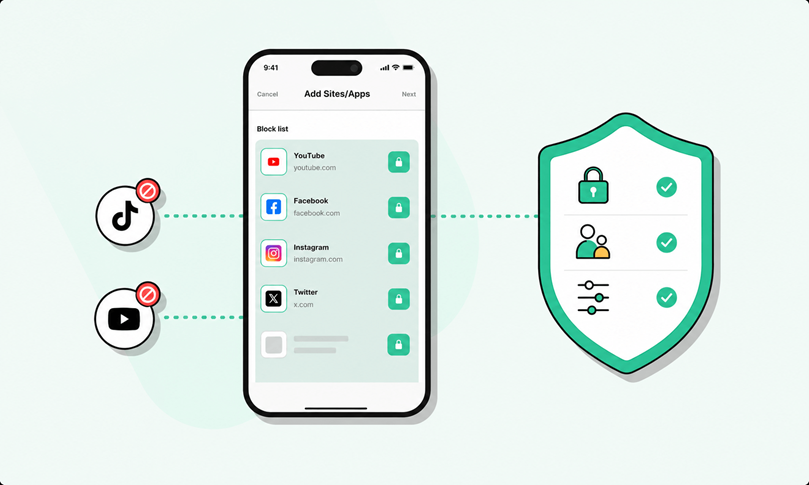
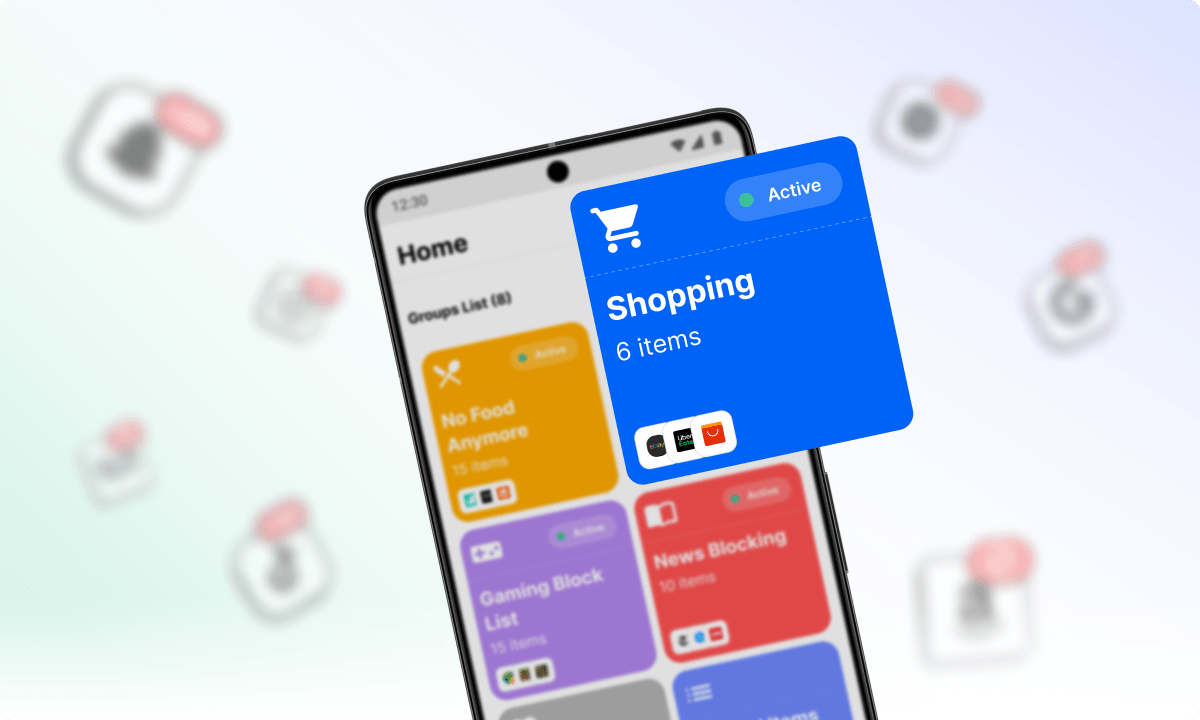
BlockSite App assists in curbing access to gambling websites, significantly lowering exposure to online gambling temptations. This application can block specific gambling sites, aiding users in creating a safer online space.

Start the path to recovery
Overcoming gambling addiction involves challenges, yet success is within reach with the right resources. Recognizing the signs marks the beginning of meaningful recovery. Seeking out resources is an essential next step to support this undertaking. BlockSite offers an invaluable tool for limiting digital distractions and supporting ongoing recovery efforts.
Begin your path to recovery today by using BlockSite to restrict access to gambling sites. Secure your online environment as a supportive measure in your journey to wellness.
FAQs
How can someone begin assessing if they have a gambling problem?
Look for indications such as a continuous desire to gamble, lying about one’s gambling activities, an inability to reduce or stop gambling, and borrowing funds to support gambling habits.
What stereotypes exist about gambling addiction?
There are numerous misconceptions, such as believing that people can easily win back losses or assuming that addiction results solely from personal weakness, overlooking the intricacies of addiction.
In what ways might gambling addiction affect a gambler’s family, particularly children?
Families may face neglect, financial instability, and the transmission of negative views on gambling, influencing children’s own potential gambling tendencies.
Can effective treatment eradicate gambling addiction?
Yes, a combination of counseling, family support, and technology tools aids individuals in reaching and maintaining recovery from gambling addiction.
How is problem gambling different from gambling addiction?
Problem gambling refers to gambling behaviors that disrupt life without constituting full-blown addiction, which is a recognized disorder marked by both behavioral and psychological complications.