






Phones are built to keep pulling you back. Endless feeds, autoplay, alerts, streaks, and short bursts of novelty all train your brain to expect another quick reward. That is why checking your phone can start to feel automatic, even when you did not mean to pick it up.
This pattern is now widespread. DataReportal’s 2025 global digital report shows that the average person spends over 3 hours per day on their smartphone, much of it on social and entertainment apps designed around continuous engagement.
The good news is that change usually comes from a few small choices repeated often, not from trying to quit your phone overnight.
How to break bad phone habits?
A useful starting point is simple: notice what is happening, reduce easy triggers, add limits around your most distracting apps, and replace mindless checking with something better. You do not need zero phone use, just phone use that supports your day instead of interrupting it.
Step 1: Build awareness
You cannot change a behavior clearly until you can see it clearly. Many people underestimate how often they unlock their phone because most checks are quick and forgettable.
Track screen time and app usage
Start with the built-in screen time data on your phone. Look at total time, pickups, and which apps take the biggest share. Do this for a week before making major changes. The point is not to judge yourself. The point is to spot the gap between how much time you think you spend and how much time you actually spend.
Identify triggers
Most phone use is tied to a cue. Common triggers include boredom, stress, awkward silence, procrastination, tiredness, and the urge to avoid a harder task. If you always open your phone while waiting, after a work email, or when a task feels dull, that pattern is worth noting.
Notice when and why you reach for it
Keep a small note on paper or in a notes app for two or three days. Each time you catch yourself checking your phone, write down what happened right before it. This is often where bad phone habits become visible. You may find that the phone is not the problem by itself. It may just be your fastest escape from discomfort.
Step 2: Add more resistance
Many phone behaviors happen because access is too easy. When your most distracting apps are one tap away, your brain does not need much effort to choose them.
Turn off non-essential notifications
Disable alerts that do not serve an urgent or useful purpose. Shopping apps, social apps, breaking-news pings, game reminders, and promotional messages are usually the first to go. Every notification is a cue, and cues drive repeat behavior.
Move or delete addictive apps
Take the apps that absorb the most time off your home screen. Put them in a folder on the last screen, log out, or delete them for a while. Even a small extra step can interrupt automatic checking. This is especially helpful for people dealing with cell phone bad habits that spike during work, study, or bedtime.
Keep your phone physically out of reach
Distance changes behavior. Put your phone in a drawer while working. Leave it off the table during meals. Place it across the room at night. Your phone keeps asking for attention if it stays in your hand, pocket, or line of sight all day.
Step 3: Set clear boundaries
A phone can easily fill every empty moment unless you decide in advance when it is welcome and when it is not.
Define phone-free times
Choose a few parts of the day where your phone is not part of the routine. Good starting points are the first 30 minutes after waking up, meals, focused work blocks, conversations, workouts, and the last hour before bed. This creates structure without forcing an all-day restriction.
Batch notifications instead of constant checking
Instead of checking messages every few minutes, choose specific times. For example, you might review texts at lunch, after work, and once in the evening. That turns constant interruption into a scheduled task.
Create simple rules
Keep rules short and specific. Examples include: no phone in bed, no social media before lunch, no scrolling during TV, or no phone while eating. The simpler the rule, the easier it is to follow. Many bad habits of phones grow in vague situations where no clear limit exists.
Step 4: Use BlockSite tools to block and control usage
Willpower helps, but it is unreliable when you are tired, stressed, or already distracted. This is where BlockSite can support the behavior you want.
Why tools matter
A blocker reduces the number of decisions you have to make in the moment. Instead of arguing with yourself every time you want to open a distracting app or website, you decide once and let the rule do the rest.
Block distracting apps and sites, and schedule focus time
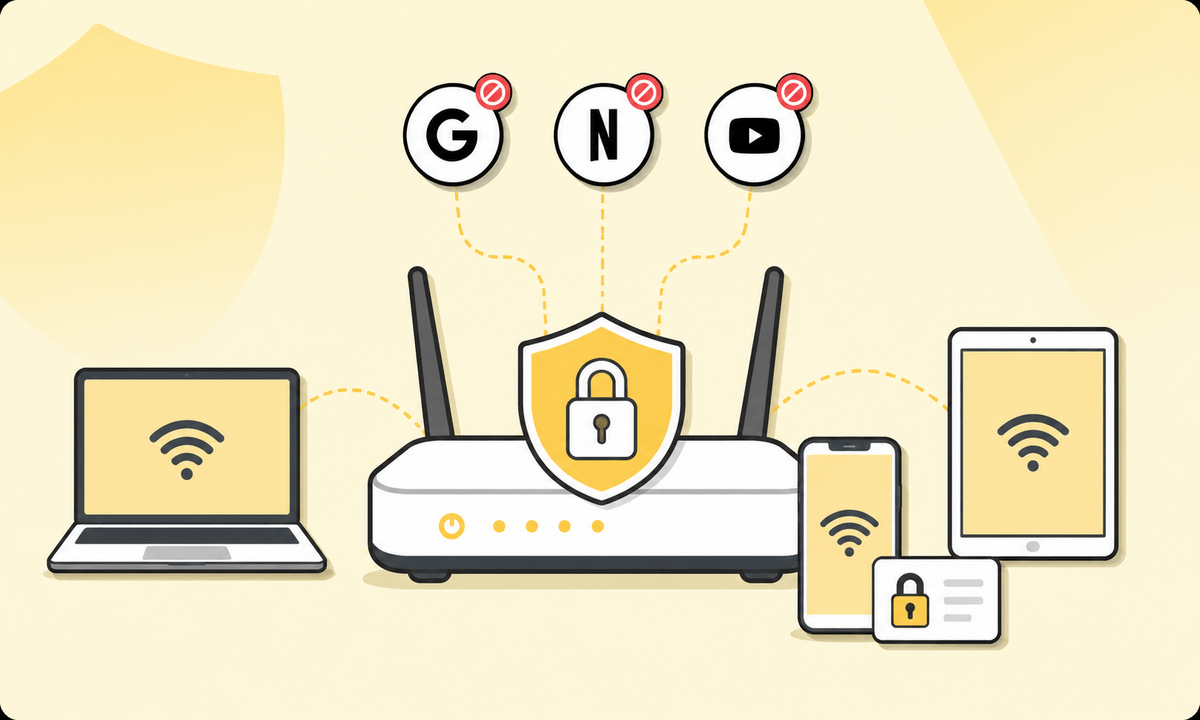
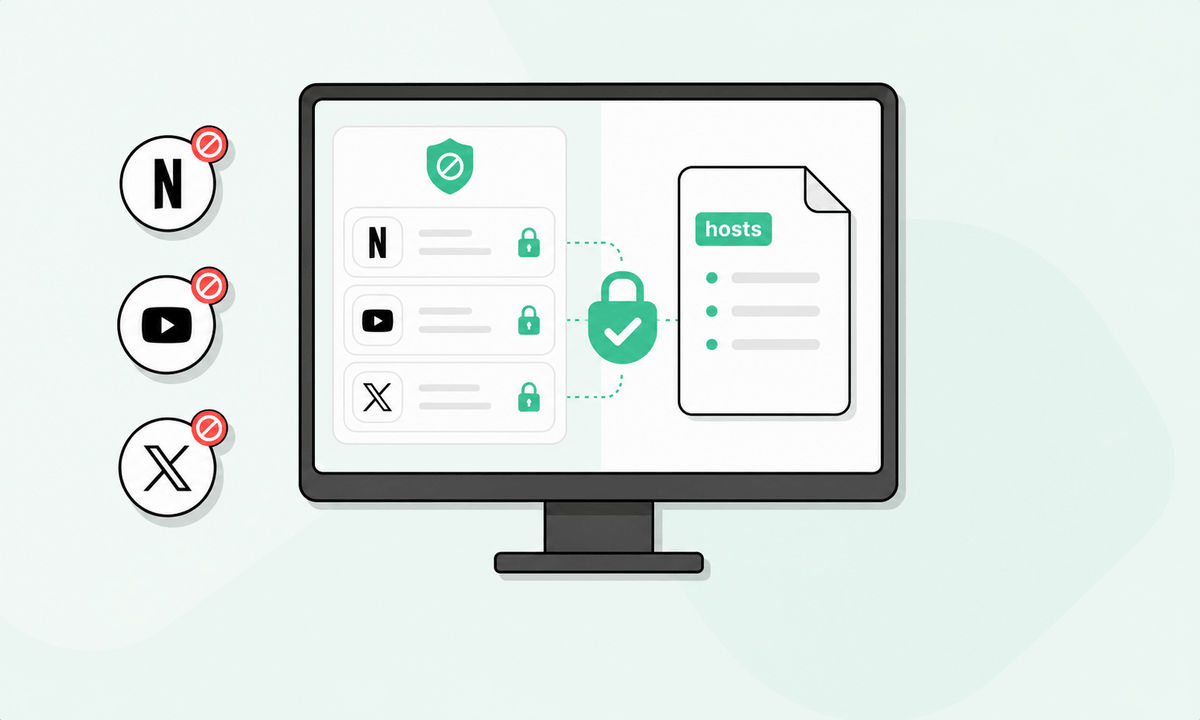
BlockSite lets you create block lists for distracting websites and apps, use schedules for the hours you want protected, and run Focus Mode for timed work sessions with breaks.
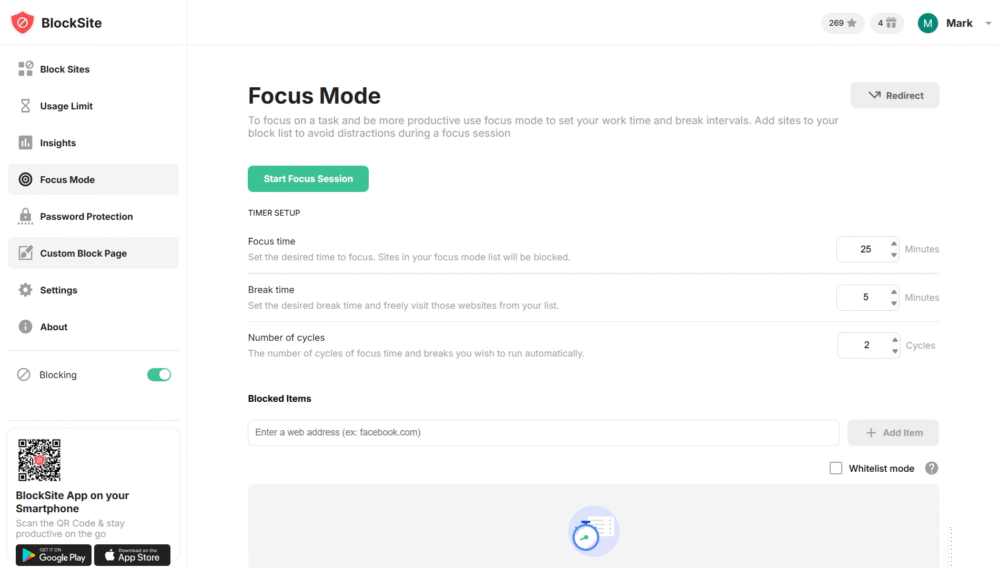
It also includes insights so you can see where your time is going. For many people trying to break bad phone habits, that combination is more useful than relying on memory or motivation alone.
How to use them effectively
Start with only your top distractions. Do not block everything at once. Pick three to five apps or sites that cause the most wasted time. Then create a schedule around the times you are most likely to drift, such as late at night, the first hour of work, or study periods.
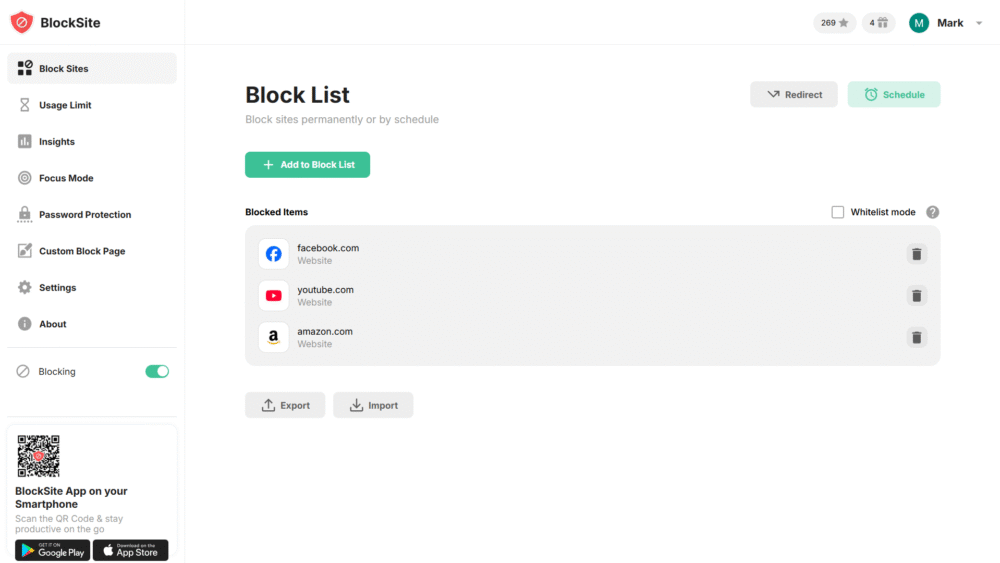
If needed, add password protection so changing your settings is not too easy. A focus management tool works best when the rules are narrow, clear, and tied to a routine you already have.
Step 5: Replace, do not only remove
A habit leaves a gap when you cut it out. If you do not fill that gap, your brain tends to go back to the fastest old behavior.
Replace scrolling with intentional activities
Pick activities that match the moments when you usually reach for your phone. If you scroll when tired, try music, stretching, or a short walk. If you scroll from boredom, try a book, crossword, journal, or a quick task you can finish in five minutes.
Build “default alternatives” for idle moments
Make the better option easier to reach than your phone. Keep a book near the couch. Put a notebook on your desk. Save a podcast for walks. Leave a puzzle or hobby item where you usually sit. When the alternative is ready, it becomes easier to break away from your phone without feeling like you are giving something up.
Focus on substitution, not deprivation
People do better when the change feels like a swap, not a punishment. You are not only removing a behavior. You are choosing a better one for the same moment.
Step 6: Design your environment
Your surroundings can either support your attention or work against it.
Create phone-free zones
Choose specific places where the phone does not belong. Bedrooms, dining tables, work desks during deep work, and bathrooms are common examples. A location rule is often easier to remember than a vague promise to use your phone less.
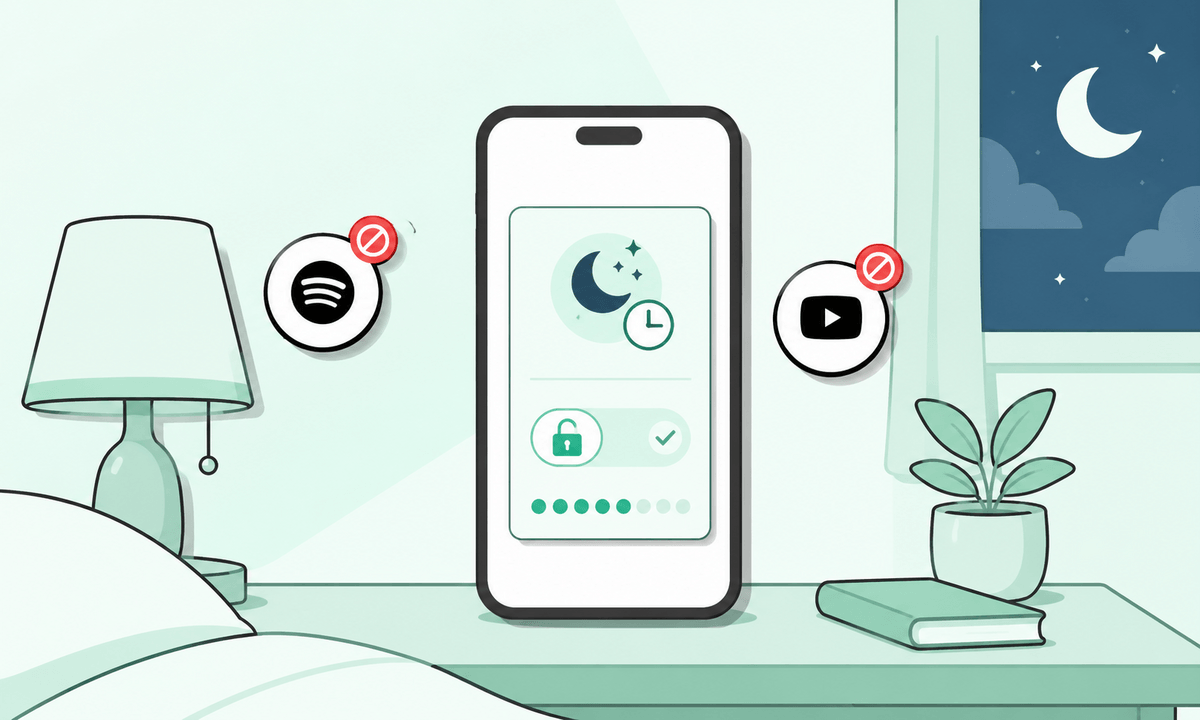
Charge your phone outside the bedroom
This is one of the highest-value changes for people who scroll late, wake during the night, or check alerts first thing in the morning. When the phone is not next to the bed, the bedtime habit weakens quickly.
Use physical substitutes
If your phone is your clock, notebook, to-do list, flashlight, and entertainment device, you will keep reaching for it. Use an alarm clock, paper notebook, or watch where useful. That removes excuses for unnecessary checks and helps create healthy phone screen time patterns over time.
Step 7: Start small and stay consistent
Most lasting behavior change looks boring at first. It grows through repetition, not intensity.
Reduce usage gradually
Cut 30 to 60 minutes a day before trying bigger changes. A smaller target feels manageable and gives you a better chance of keeping it going. If you are currently on your phone for many hours a day, trying to cut it in half immediately can backfire.
Expect setbacks
You will have days where you slip. That does not erase progress. One off day is noise. The trend over weeks is what counts.
Stack habits
Pair reduced phone use with something already stable. Put your phone away right after brushing your teeth at night. Start a work block by placing it in another room. Leave it on charge during dinner. If you want help enforcing the rule, a site blocker can add another layer by cutting off the online destinations most likely to pull you back in.
Build a better relationship with your phone
The aim is not to stop using your phone completely. Phones are useful, necessary, and part of daily life. What usually needs to change is the default pattern, where every pause, feeling, or difficult task leads straight to the screen.
Pick one or two changes today, not ten. Turn off unnecessary notifications. Move one addictive app. Charge your phone outside the bedroom. Add a short block schedule during work hours. Small limits repeated every day do more than one dramatic reset.
FAQ
How can I stop checking my phone so often?
Start by removing the cues that trigger checking. Turn off unnecessary notifications, keep your phone out of sight during work, and set specific times to check messages instead of doing it continuously.
What are the most effective ways to reduce screen time?
The strongest combination is awareness, boundaries, and blocking. Track your usage, identify your biggest time drains, create phone-free parts of the day, and use app or website blocks during your highest-risk hours.
Why is it so hard to break phone addiction?
Phones combine convenience, novelty, and variable rewards. That mix trains automatic checking, especially when you are bored, stressed, tired, or avoiding another task.
How do app blockers like BlockSite help reduce phone usage?
They reduce access to your biggest distractions during the times you choose. That shifts part of the work from self-control to a preset rule, which is often easier to keep.
What are the best apps to control screen time and distractions?
The best option is the one you will actually keep using. Built-in screen time tools are useful for awareness, while blockers are useful when you need stronger limits around websites, apps, and schedules.
How much screen time is considered healthy?
There is no single number that fits everyone. A better question is whether your phone use is affecting sleep, focus, mood, work, school, or relationships. If it is, the amount is likely too high for you.
How can I avoid using my phone before bed?
Charge it outside the bedroom, set a cutoff time, and replace the bedtime scroll with something simple like reading, stretching, or writing tomorrow’s plan. Removing the phone from arm’s reach is often the biggest win.
What are the signs of unhealthy phone habits?
Common signs include checking your phone without thinking, losing time to scrolling, feeling restless without it, interrupting work or conversations to look at it, and using it late into the night even when you want to sleep.
How long does it take to break a phone habit?
It depends on the habit and how often it is repeated. Many people notice early improvements within a week or two, but stronger change usually comes from keeping a few clear rules in place for longer.
Can reducing phone use improve mental health and focus?
It can help, especially if your current use is crowding out sleep, concentration, exercise, or in-person connection. It is not a fix for every problem, but many people feel less scattered when they reduce compulsive checking.


 Take back your focus