






At a time when electronic risks are high, it is important to be aware of malware and how to deal with them. Here’s a guide that provides the necessary measures for protecting your devices and information from these harmful invasions.
What is Malware?
Malware is a shortened form of malicious software and stands for any programs that have been designed to damage or exploit any programmable device, service or network. Malicious software is often used by cyber criminals for diverse nefarious ends that range from stealing of vital information to system breakdowns and even ransoms that demand payment for the release of data. Unlike useful software, malware does not require consent from the owner of the device and can be embedded as seemingly harmless applications or files.
According to a report by Astra Security, more than 560,000 new malware threats are detected each day, with the current total exceeding 1 billion malware programs. To protect against it, one must first understand what malware is. It is equally important to recognize its potential danger both among individuals and organizations. As such, the necessity of adopting preventive measures becomes more critical.
Types of Malware
Malware, which is a collective name for malignant software, comes in many guises, each having its own malevolent purpose. Comprehending these variants determines prevention and methods of elimination efficiency.
Viruses
The most widely known form of malware may be viruses. Computer viruses are like their biological counterparts: they attach themselves to clean files and then spread into other clean files. They propagate uncontrollably while destroying a system’s core functions as well as deleting or corrupting files. This often replicates through human action such as:
- Downloading an infected file
- Running a virus-infected program
Worms
They have some characteristics with viruses but they can replicate on their own even without any interference by humans. Worms exploit the weaknesses of operating systems or software to move across networks. While inside, it can engage in various malicious activities including eating up bandwidth and putting backdoors that allow future attacks on the system.
Spyware
Spywares are designed to steal information about users’ actions without their awareness; collecting personal data such as internet practices, login credentials and credit card numbers among others. Such malware usually operates covertly leading to cases of identity theft or unauthorized purchases.
Ransomware
This type of malware encrypts or locks the victim’s data demanding that a ransom be paid so that access can be restored once again. This type of attack has gained notoriety for being successful at extorting money from individuals and organizations by threatening to delete or release encrypted data unless a ransom is paid.
Trojans
Named after the ancient Greek wooden horse strategy used during war times, trojans impersonate legitimate software applications. Users are deceived into installing them thinking they are useful programs. Once the trojan activates, it can go on completing its malicious tasks like creating backdoors, capturing keystrokes or making the computer part of a botnet.
Adware
This type of malware could hinder system performance and user experience every time one runs another program. It automatically displays content associated with advertising when running such programs although it may not always have malicious intent behind it either. Some adwares follow browser history and downloads, which can expose privacy and may even introduce other malware.
How to Identify Malware
Oftentimes a malware is not easy to detect due to its stealthy nature. However, there are many signs that you can use in detecting them before it leads to massive destruction. Understanding these signs helps to avoid greater damage by malware and quick intervention.
1. Slow Performance
One of the most common tell-tale signs of a malware infection is a noticeable drop in computer performance. It may take the form of extended program loading duration, slow file access speeds or systems struggling with tasks that used to be less demanding.
A lot of system resources are consumed by such malware hence leaving limited amounts for legitimate applications and processes. It would not be right if there was slow down without any reason; for example, after upgrading software.
2. Pop-Ups and Unwanted Ads
A deluge of pop-up advertisements or browser windows seemingly appearing from nowhere indicates adware. These pop-ups often advertise products as well as tricking users into clicking links that lead to additional malware infections. They can be invasive, hard to close and even appear when one is not browsing the internet.
3. Unauthorized Changes to Settings
System settings can be modified without permission by some types of malwares. This might involve:
- Changes made on the homepage or default search engine in web browsers
- New toolbars or extensions that were never meant to be downloaded
- Alteration of security settings on systems
Such unapproved alterations show heavy indications that someone’s machine has been infected with a malicious program.
4. Suspicious Activity
Malware infection may exhibit unusual behaviors like:
- Auto-starting programs
- Increase in number or disappearance of files
- Hard drive working too much when no program is running respectively among others
In addition, surprising messages saying that a huge amount of data has been consumed or system files have been corrupted should also raise alarm bells.
5. Frequent System Crashes or Error Messages
When computers start crashing regularly, restarting unexpectedly, and displaying error messages for no good reason at all could imply an influence by some kind of malware. The system files might be corrupted or the system overloaded by malware to the point of crashing hence leading to these symptoms.
How to Avoid Malware
Avoiding malware requires a proactive approach to online safety and computer usage. As malware continues to evolve, becoming more sophisticated over time, the strategies to prevent it must also advance.
Here are 8 detailed malware prevention methods to keep your system secure:
- Utilize BlockSite’s Blocking Feature
Utilizing BlockSite can significantly enhance your ability to avoid malicious websites and online threats. With this browser extension and app, you’ll be able to block known harmful sites, preventing accidental access to malware-laden or phishing websites.
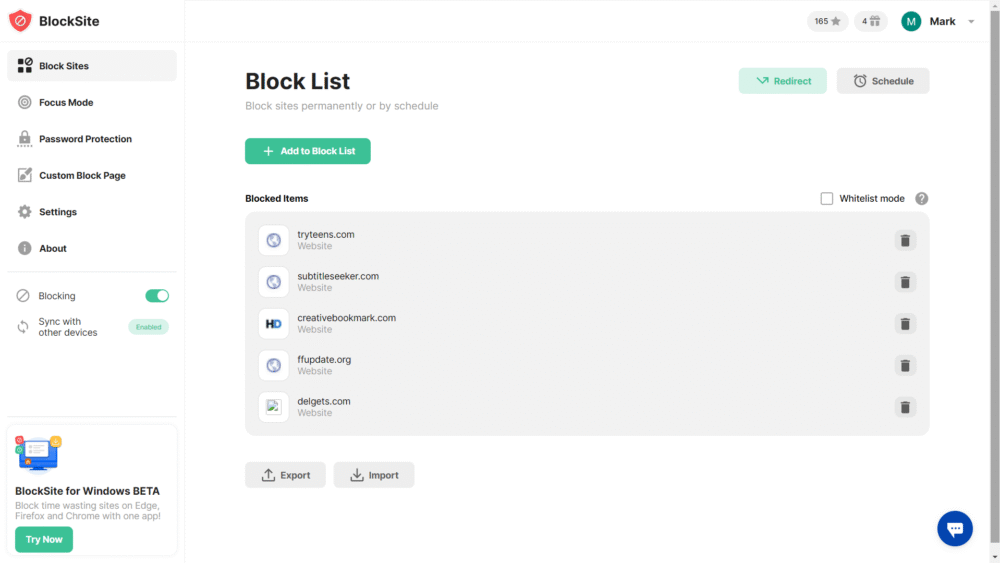
The steps on how to block a website that’s unsafe is very easy. Simply go to the “Block Sites” menu and start adding any URLs or domains which you consider to be not safe.
By creating a custom list of blocked sites or categories, you can tailor your browsing experience to avoid potential threats actively. This is particularly useful for staying clear of websites that are known to host malware or engage in phishing attacks, adding an extra layer of security to your online activities.
- Update Regularly
Keeping your operating system and all software up-to-date is one of the most effective ways on how to avoid malware attacks. Developers regularly release updates that patch vulnerabilities in software, which are often exploited by malware to gain unauthorized access to systems. Automatic updates should be enabled whenever possible, ensuring that your system benefits from the latest security enhancements without delay.
- Use Antivirus Software
A reputable antivirus program is essential for detecting and removing malware from your system. These programs offer real-time protection, scanning new files for malware and monitoring suspicious behavior. It’s crucial to keep your antivirus software updated to recognize the latest malware signatures. Regular full system scans are recommended to identify and isolate any threats that may have slipped past real-time defenses.
- Download Wisely
Only download software and media from trusted sources. Official websites and verified app stores offer a layer of security by vetting the programs they host. Cybercriminals often disguise malware as legitimate software or updates on third-party sites. Paying attention to user reviews and download counts can also provide insight into the reliability of the software.
- Beware of Phishing
Phishing attacks, often delivered via email or malicious websites, trick users into providing sensitive information or downloading malware. Be skeptical of unsolicited emails, especially those that request personal information or urge you to click on a link. Verify the sender’s identity and hover over links to see where they lead before clicking.
- Use Strong Passwords
Strong, unique passwords for each of your accounts can prevent unauthorized access, even if a service you use is breached. Passwords should be a mix of letters, numbers, and symbols, and never reused across different sites. Consider using a password manager to generate and store complex passwords securely.
- Enable Your Firewall
A firewall monitors incoming and outgoing network traffic, blocking unauthorized access to your computer. Both Windows and macOS include built-in firewalls that should be enabled. For added protection, many routers also feature a hardware firewall. Configuring these correctly can significantly enhance your network’s security.
- Backup Your Data
Regular backups protect your data from ransomware and other malware that seeks to encrypt or destroy your files. Use an external drive or a cloud backup service to create copies of important files. These backups should be performed regularly and kept separate from your main system to ensure they remain unaffected by potential malware infections.
Stay One Step Ahead of Malware
To win the war against malware, it is necessary to stay alert and be proactive. Understanding what malware is, identifying the different types, and employing effective preventive measures will significantly reduce your chances of getting infected. Remember that cyber security involves not only having the right tools, but also adopting safe online habits.
Software such as BlockSite can also aid you in blocking sites that may potentially be harmful to you like malwares. These practices combined with regularly updating software programs, cautious browsing, and keeping a close eye on your devices will make you more resilient against these ever-changing threats. Do something now to safeguard your data and maintain a secure presence on the web.
FAQs
Can malwares steal my personal information?
Absolutely. Malwares, like spywares and trojans, are designed to sneak into your computer and collect a lot of data about you including your password, credit card numbers, and even your search history. These details may then be used for identity thefts, online financial frauds or get sold on the dark web. It is necessary to embrace overall security measures, such as using trusted antivirus software and being mindful about clicks on links as well as downloads made in order to guard against these invasive threats.
How often should I update my antivirus software?
It is vital that you keep up-to-date with the antivirus software on your computer. Antivirus updates usually include the latest definitions of newly discovered malware, together with improvements made to how the program detects and removes them from your system. It would be best if you set the antivirus to update automatically so that it can always shield you from new threats.
Can I get malware from social media?
Yes, they can actually serve as ideal places for spreading viruses across networks. Criminals often use platforms like Facebook or Twitter to spread fake videos or other files containing viruses or even requests from friends whom one doesn’t know but who look innocent enough. If someone clicks on those links or downloads, such files inadvertently installs a virus on their device. One should avoid clicking on suspicious-looking links even if they seem genuine from friends’ profiles; also regularly review privacy settings since this limits exposure chances with possible risk agents.
Does free antivirus work?
Generally yes, although free antivirus software only covers the most basic types of malware. Free versions may not have real-time protection, automatic updates or support for all kinds of malware. Due to these reasons, it is recommended to buy a well-known, paid-for antivirus software that gives you more complete protection, especially if you usually deal with sensitive information online or use your computer regularly for financial transactions.
How do I know if a website is safe?
To determine whether a site is secure, there are several indicators that one should look out for. Secure sites typically have URLs that begin with https, which means that the link between your computer and the website has been encrypted and is thus less likely to be intercepted by third parties. Furthermore, in your browser’s address bar there will be a padlock symbol indicating a secure connection. It is also possible to check web reputation using tools like Google Safe Browsing before visiting a webpage. However, even with such indicators, it is better to remain cautious rather than sorry when asked to enter personal or credit card details online.


 Take back your focus